Algunos ejemplos del «efecto Mandela»:
- Aunque la mayoría de la gente recuerda al personaje infantil «Curious George» con cola, en realidad no la tiene.
- Mucha gente cree que existe una marca de mantequilla de cacahuete llamada «Jiffy», pero no es así. Está «Jif» y está «Skippy», pero no existe «Jiffy».
- En la emblemática escena de «El silencio de los corderos», Hannibal Lecter no dice «Hola, Clarice», como mucha gente recuerda. Lo que dice es «buenos días».
El efecto Mandela en la nube
El efecto Mandela no es solo un fenómeno de la cultura popular, sino que también existe en el mundo de la tecnología empresarial. Es un error muy extendido pensar que los datos almacenados en la nube se copian automáticamente. La verdad es que los proveedores de servicios en la nube operan según un modelo de responsabilidad compartida, en el que el proveedor es responsable de la seguridad del software, el hardware y la infraestructura, pero no de los datos de los clientes.
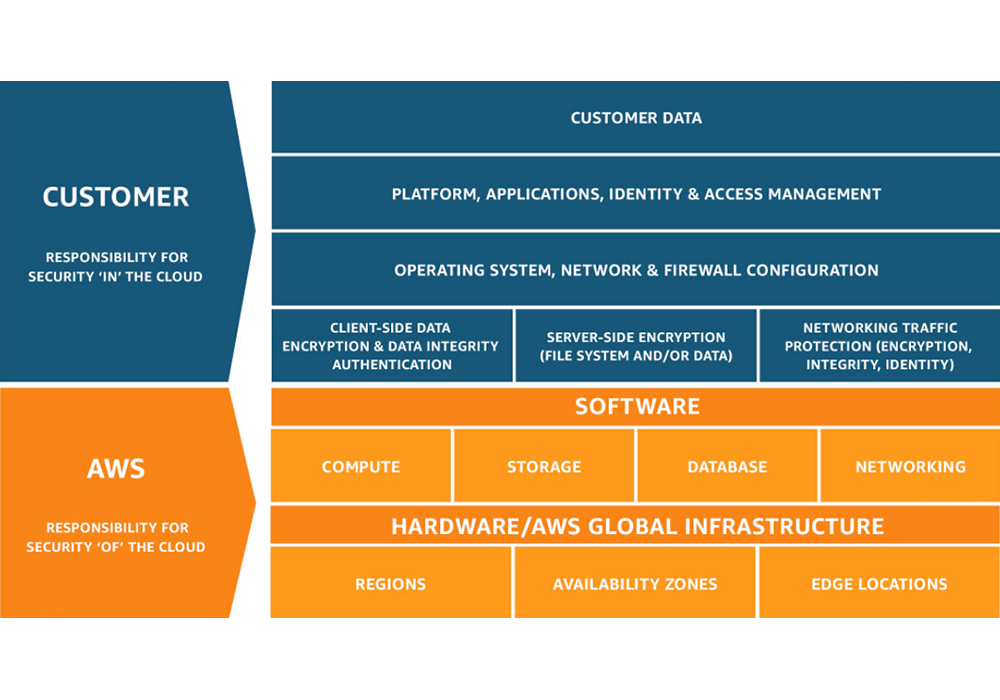
Por ejemplo, cuando AWS se refiere a su servicio Amazon S3, que destaca por su gran durabilidad, es cierto que la plataforma es increíblemente resistente, lo que significa que es poco probable que experimentes ningún problema con sus sistemas o su infraestructura. Sin embargo, esto no tiene nada que ver con la protección de tus datos frente a eliminaciones accidentales, ataques de ransomware o amenazas internas. Según el modelo de responsabilidad compartida, eso es cosa tuya.
Medidas para proteger tus datos en la nube
A los clientes les encanta trabajar con Clumio porque obtienen una protección de datos inmutable y aislada físicamente, con un tiempo de retorno de la inversión increíblemente rápido, mientras que la simplicidad del modelo SaaS garantiza una importación, catalogación, búsqueda y Recovery rápidas y sencillas a cualquier escala. Clumio permite a los clientes automatizar la protección de sus datos de AWS y Microsoft 365, lo que les ahorra tiempo y recursos, permitiéndoles centrarse en iniciativas estratégicas y reduciendo el coste total de propiedad (TCO) en comparación con otras opciones.
No dejes que los conceptos erróneos sobre la protección de datos te dejen en una situación vulnerable.