Importance of Compliance & Data Security
Le aziende non solo devono proteggere le proprie informazioni sensibili, ma devono anche salvaguardare i dati personali dei propri clienti. Il mancato rispetto delle normative vigenti può comportare danni finanziari e reputazionali, oltre a potenziali conseguenze legali.
Si pensi, ad esempio, alle recenti violazioni dei dati che hanno colpito numerose aziende di grande rilievo. Questi incidenti non solo hanno comportato costose multe, ma hanno anche minato la fiducia dei clienti e influito negativamente sulla reputazione del marchio. Infatti, secondo un recente sondaggio condotto da Edelman, una società di comunicazione globale, l’81% dei consumatori smetterà di acquistare da un’azienda se si scopre che questa gestisce i dati in modo improprio.
Compliance with regulations can help reduce security and privacy risks, align cybersecurity requirements with business processes, maintain effective cybersecurity programs, build customer trust, and improve company reputation. As a result, companies must prioritize both compliance and data security in order to remain competitive in today’s market.
To illustrate the importance of compliance and data security further let’s consider the healthcare industry. Medical providers need to follow various laws and regulations for patient privacy and protection of confidential information such as HIPAA (Health Insurance Portability and Accountability Act), which holds organizations accountable for not protecting medical records correctly. Non-compliance with these laws could lead to customers losing trust or even being sued for neglecting confidentiality obligations at worst case scenarios.
Inoltre, l’adozione di adeguate misure di conformità garantisce che le informazioni aziendali sensibili rimangano riservate tra le parti interessate che ne necessitano quotidianamente, impedendo al contempo l’accesso al personale non autorizzato. Ciò contribuisce a creare un senso di sicurezza tra i dipendenti che gestiscono dati riservati, riducendo i casi di violazione dei dati che potrebbero causare gravi danni finanziari.
However, some people might argue that the cost associated with maintaining such compliance standards might outweigh some of the benefits derived from it. This quite untrue as the benefits of adherence to compliance regulations to data protection surpass the cost in the long-term savings and protection it provides.
- Secondo uno studio del 2020 condotto da Statista, circa il 45% delle organizzazioni a livello mondiale ha aumentato la propria spesa per la protezione dei dati e le iniziative di conformità.
- Un rapporto di ricerca del Ponemon Institute del 2021 ha rilevato che il costo medio di una violazione dei dati negli Stati Uniti era pari a 8,64 milioni di dollari, sottolineando l’importanza di disporre di soluzioni di backup affidabili ai fini della conformità normativa.
- In un sondaggio condotto da Spiceworks nel 2019, circa il 42% delle organizzazioni ha dichiarato di utilizzare una combinazione di ambienti cloud pubblico, cloud privato e cloud ibrido per il backup dei propri dati, al fine di garantire una maggiore conformità e ridondanza.
Il ruolo dei backup nella conformità normativa
When it comes to data security, backups play a crucial role in ensuring regulatory compliance and business continuity. Regulatory compliance can be extremely complex, involving strict guidelines that must be followed to avoid financial penalties, legal consequences, and damage to reputation. Having a reliable backup plan can help companies maintain compliance with regulations such as GDPR (General Data Protection Regulation), which establishes rules for protecting European Union residents’ personal data; PCI (Payment Card Industry) standards for processing and storing payment card information securely; and HIPAA (Health Insurance Portability and Accountability Act) standards for protecting health information.
In addition to satisfying compliance requirements, backups also help companies ensure business continuity. Natural disasters, power outages, cyber attacks, and other unexpected events can cause loss or corruption of data. Without an effective backup plan in place, businesses risk losing important data along with customer trust.
To understand the importance of backups further, let’s consider a company that experiences a ransomware attack. Ransomware is a type of malicious software that threatens to publish sensitive data if payment isn’t made.
If the company doesn’t have a robust backup plan in place, they may have no options but to pay the ransom or lose significant amounts of valuable data. However, if they’ve been backing up their files regularly and properly following best practice recovery protocols when implementing their backup process which involves full and partial backups implemented frequently as possible amongst other features available with top-notch services like Rewind Backup Tool according to SaaS compliance solution then they would be able to recover critical files without paying criminals for release of hijacked files or draining their resources.
Disporre quindi di una struttura solida, come richiesto dal sistema di conformità in materia di backup, consente alle aziende di mitigare i rischi che altrimenti comporterebbero la perdita di dati, tempi di inattività per i clienti, il pagamento di multe salate, azioni legali da parte delle parti interessate, oltre alla perdita di fiducia tra l’azienda e i clienti.
Some people might argue that backups are not necessary if the data is already stored securely. However, accidents happen, and when they occur some vendors would not be able to provide data recovery services without backing up their client’s system. It is better to be safe than sorry when dealing with sensitive data which could result in a breach leading to legal consequences.
- Backups are critical for businesses to maintain regulatory compliance and ensure business continuity. Compliance regulations can be complex, and strict guidelines must be followed to avoid financial penalties, legal consequences, and reputational damage. Reliable backups also help companies protect against the loss or corruption of data due to natural disasters, cyber attacks, or other unexpected events. Investing in a robust backup plan, including full and partial backups implemented frequently as possible amongst other features available with top-notch services like Rewind Backup Tool according to SaaS compliance solution, can help mitigate risks otherwise resulting in data loss, customer downtime, payment of expensive fines, lawsuits from affected parties, and lost trust between company and clients. Ultimately, accidents happen, so it is better to be safe than sorry when dealing with sensitive data that could result in a breach leading to legal consequences.
Impatto sulla continuità operativa
The impact of compliance and data security on business continuity cannot be overstated. In fact, without a robust backup plan in place, businesses are at a significant risk of irreversible damage to their operations and reputation. With the number of cyber-attacks increasing every year, it’s crucial that companies take proactive measures to protect their data and ensure their systems remain operational in the event of an attack.
For instance, imagine a scenario where a company was hit by a ransomware attack that encrypted all their data and backups. Without a proper backup plan in place, they would lose access to all their critical files and data necessary for business continuity. As a result, they would be forced to restart from scratch, resulting in prolonged downtime, lost revenues from halted operations, and reputational damage.
A backup plan provides the assurance that, should such an attack occur, the company can quickly restore its systems’ functionality without significant disruptions to its operations. This is especially important for companies with compliance obligations or those that deal with sensitive or confidential information.
Backups also help businesses maintain customer trust and build their reputation. Companies that continuously experience service disruptions or data breaches are likely to lose customers who will take their business elsewhere. By having a reliable backup plan in place, businesses can demonstrate their commitment to protecting their customers’ sensitive information while maintaining the continuity of their services.
Alcune aziende potrebbero sostenere che non sia necessario elaborare un piano di backup solido, poiché la sua attuazione richiede troppo tempo e risorse. Potrebbero considerarlo un costo aggiuntivo senza un ritorno immediato e significativo sull’investimento. Tuttavia, i rischi derivanti dalla sua assenza superano di gran lunga i costi percepiti. Il costo del ripristino a seguito di un attacco informatico, in assenza di backup adeguati, supera di gran lunga l’investimento necessario per l’attuazione di un piano di backup efficace.
Normative e certificazioni principali
Esistono diverse normative che disciplinano le modalità con cui le organizzazioni gestiscono i dati sensibili; è quindi fondamentale comprendere le implicazioni della mancata conformità e quali certificazioni siano necessarie per mitigare tali rischi.
Regulations such as GDPR, PCI, and HIPAA mandate that businesses protect their customers’ sensitive information. Specifically, GDPR applies to European Union (EU) citizens’ personal data, while PCI compliances deal with payment card data handling. Similarly, HIPAA governs the handling of protected health information (PHI). Non-compliance with these regulations can result in significant legal and financial repercussions.
Quando le aziende si conformano a queste normative, allineano i propri requisiti di sicurezza informatica ai processi aziendali, mantengono programmi di sicurezza informatica efficaci che garantiscono la protezione dei dati dei clienti, riducono i rischi legati alla sicurezza e alla privacy e migliorano la reputazione dell’azienda.
Obtaining certifications like ISO 27001 and SOC 2 serve as proof that an organization has implemented thorough audits of its data security compliance. ISO 27001 is an information security management certification that demands a company’s adherence to strict standards of data protection. On the other hand, SOC 2 requires adherence to specific criteria for system security, availability, confidentiality, processing integrity, and privacy. These certifications cater to different aspects of compliance but work together to ensure effective data security practices.
GDPR, PCI e HIPAA
Per quanto riguarda la conformità e la sicurezza dei dati, esistono numerose normative e certificazioni di cui le aziende devono essere a conoscenza per garantire che il proprio piano di backup sia aggiornato ed efficace. Tra queste, tre standard importanti sono il Regolamento generale sulla protezione dei dati (GDPR), lo Standard di sicurezza dei dati del settore delle carte di pagamento (PCI DSS) e la Legge sulla portabilità e la responsabilità nell’assicurazione sanitaria (HIPAA).
The GDPR, which came into effect in May 2018, is designed to protect personal data belonging to European Union citizens. Any organization that collects or processes EU citizens’ data must comply with these stringent regulations. Failure to do so may result in hefty fines, loss of reputation, or legal action. To comply with the GDPR, businesses need to have a robust data management system including proper backups containing personal data.
Lo standard PCI DSS si applica specificatamente alle aziende che trattano dati relativi alle carte di pagamento. Esso disciplina le modalità con cui le aziende devono trattare i dati sensibili dei clienti, come i numeri delle carte di credito, al fine di prevenire frodi e attacchi informatici. Lo standard PCI DSS richiede audit annuali da parte di un Valutatore di Sicurezza Qualificato (QSA) autorizzato e revisioni periodiche delle politiche di backup.
HIPAA is another critical regulation for healthcare organizations. It requires strict methods for securing medical records both physically and electronically. The law also enables patients’ access to their own medical records while requiring healthcare providers provide them with proper privacy practices.
Complying with these regulations can be compared to buckling your seatbelt before driving on the road – safety first! Regulations give your business the tools it needs to protect sensitive information and avoid data breaches while keeping your customers’ trust.
ISO 27001 e SOC 2
Oltre ai requisiti normativi, esistono certificazioni che attestano l’impegno ad adottare le migliori pratiche nella gestione della sicurezza informatica. L’Organizzazione internazionale per la normazione (ISO) fornisce sia linee guida che certificazioni in materia di sicurezza delle informazioni. La norma ISO 27001 si concentra specificatamente sulla creazione di un Sistema di gestione della sicurezza delle informazioni (ISMS) all’interno di qualsiasi organizzazione.
Implementing ISO 27001 involves assessing risks, devising policies and procedures for securing data at all times, including backup data. This includes specific requirements for data redundancy, disaster recovery planning as well as testing of the policies in places such as offsite backups in particular.
Additionally, the SOC 2 examination report is an independent third-party evaluation that gives assurance about how well you perform your controls. SOC 2 reports concentrate on a company’s non-financial reporting controls as they relate to key compliance and security issues.
Obtaining these sorts of certifications can be compared to receiving your driving license- it takes dedication to learn the rules of the road before being able to safely drive where you need to go. With these certifications, businesses demonstrate their commitment to best practices in cybersecurity management that protect their customers’ sensitive information.
Creazione di un piano di backup affidabile
Quando si tratta di elaborare un piano di backup solido ai fini della conformità e della sicurezza dei dati, le organizzazioni devono tenere conto di numerosi fattori. Un piano di backup completo non dovrebbe solo garantire la protezione dei dati sensibili, ma anche fornire uno strumento per ripristinare le informazioni perse o danneggiate in caso di attacco o perdita di dati. In questa sezione esamineremo alcuni degli aspetti fondamentali da considerare per elaborare un piano di backup solido.
First and foremost, your organization needs to decide on the type of backups it will use. This may involve implementing both full and partial backups as often as possible, depending on how critical your data is. Full backups are designed to capture all data on a system while partial backups capture only smaller subsets of data. The frequency of the backups will vary depending on factors such as how rapidly data changes within your organization and the amount of data you’re dealing with.
Una volta stabiliti il tipo e la frequenza dei backup che la vostra organizzazione intende utilizzare, è necessario determinare dove verranno archiviati. Sono disponibili numerose opzioni, tra cui soluzioni di backup basate sul cloud e dispositivi di archiviazione fisici quali dischi rigidi e nastri. I backup archiviati in più sedi sono generalmente più sicuri di quelli conservati in un unico luogo.
Another important consideration when creating a backup plan is determining how long backups should be retained. While regulatory requirements drive retention policies in some cases, organizations might choose to store their backups even longer than regulations require if business continuity could be threatened without it. In short, retaining more copies does come at a cost – requiring investment in additional storage space and management efforts – but having those extra copies provides an additional layer of risk mitigation.
It’s important to remember that creating a robust backup plan is like creating a safety net for your organization’s sensitive data. If something goes wrong, having a backup plan in place will ensure that your organization can quickly recover and restore lost or corrupt data.
Let’s take a look at some of the key considerations when choosing the right backup tools for your organization.
When selecting the correct backup tools, it is essential to find a solution that aligns with your organization’s specific needs. There are several factors to consider before making a final decision, including how often backups need to happen, how they’re being created and operated—whether through an automated mechanism or manual solutions—and what type of encryption algorithms you’d prefer for protecting sensitive information.
Un fattore fondamentale da considerare nella scelta degli strumenti di backup è la scalabilità e l’affidabilità. Le organizzazioni che prevedono una crescita futura devono scegliere soluzioni in grado di espandersi per soddisfare le loro esigenze in continua evoluzione. È preferibile optare per soluzioni automatizzate come Clumio, poiché offrono maggiore flessibilità nel gestire aumenti imprevisti del volume dei dati senza sovraccaricare il personale IT. Grazie a strumenti scalabili, gli utenti beneficiano di una piattaforma stabile, riducendo al minimo le interruzioni e garantendo la continuità operativa.
Inoltre, gli strumenti di backup devono essere progettati tenendo conto della sicurezza. Devono essere aggiornati frequentemente per garantire che eventuali vulnerabilità note vengano risolte immediatamente, oltre a disporre di metodi di crittografia avanzati per proteggere i dati sensibili lungo tutte le linee di comunicazione durante l’intero ciclo di vita del backup.
Altri aspetti fondamentali da considerare nella scelta di uno strumento di backup sono il rapporto costo-efficacia e la facilità di gestione. Questi aspetti sono particolarmente importanti per le aziende con budget limitati, in cui le risorse potrebbero non essere abbondanti. Prima di prendere qualsiasi decisione in merito a uno strumento di backup, valutate se offre un buon rapporto qualità-prezzo, garantendo al contempo facilità di manutenzione, implementazione e amministrazione, oltre a fornire le adeguate funzioni di sicurezza richieste dalla vostra azienda.
Choosing the right backup tool is like finding the perfect pair of shoes. Just as finding a good pair of shoes requires careful evaluation of comfort, style, and price over time – finding an ideal solution requires taking into account key factors, including scalability, security, cost-effectivenesss and management needs, while selecting the right solution for your organization.
Now that we’ve explored some of the essential aspects to consider when creating a backup plan, let’s move on to monitoring and reporting compliance.
Esecuzione di backup completi e parziali
When it comes to implementing backups for compliance and data security, one size does not fit all. Your organization’s specific needs will determine the type of backup strategy that works best for you. Full backups are ideal if you need complete copies of all your data on a regular basis. However, partial backups may also be necessary to ensure the protection of your most critical data.
For example, let’s say you run an e-commerce website that generates a significant amount of daily sales. In this scenario, you would likely want to implement both full and partial backups. A full backup could be performed once a week or month, while partial backups would occur several times a day, ensuring that critical sales data is always protected.
Un altro caso in cui i backup parziali sarebbero fondamentali è quello di un’azienda di ricerca biotecnologica che conduce esperimenti complessi. In questo contesto, i dati in tempo reale rivestono un ruolo cruciale negli esperimenti, pertanto i backup orari rappresentano la soluzione migliore per garantire il recupero di eventuali informazioni perse in caso di incidenti imprevisti.
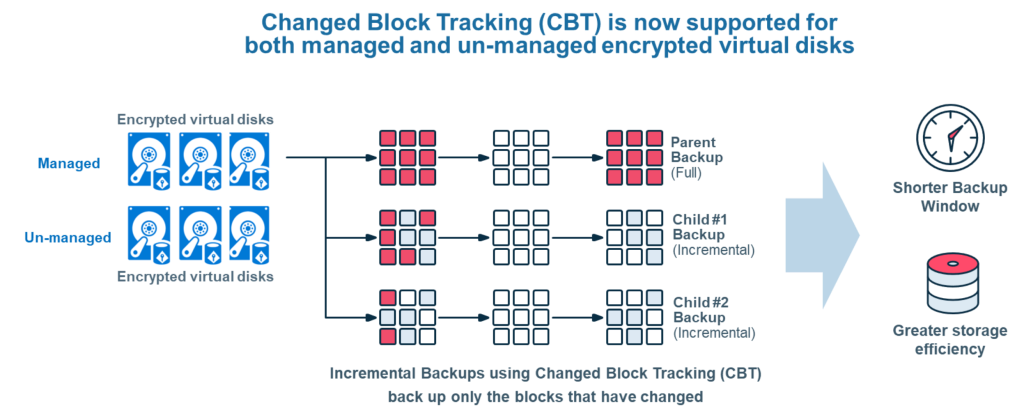
Inoltre, l’adozione di diverse strategie di backup può fornire ulteriori livelli di ridondanza, contribuendo a garantire la protezione dei dati nel caso in cui un backup dovesse fallire. Ad esempio, l’utilizzo combinato di backup incrementali e differenziali comporta il salvataggio solo dei file modificati dall’ultimo backup. Questo approccio riduce lo spazio di archiviazione necessario e minimizza il tempo richiesto per ogni backup.
D’altra parte, i backup completi richiedono più tempo ma consentono un ripristino più rapido, poiché includono tutti i file di sistema in una sola volta. Sebbene passare da un tipo all’altro possa aumentare la complessità, l’utilizzo di entrambi i metodi offre una garanzia contro perdite gravi.
Un elemento fondamentale nell’attuazione di qualsiasi piano di backup è valutare le opzioni di archiviazione fuori sede, come i servizi basati sul cloud o le sedi remote protette. Questo passo garantisce la disponibilità di file di backup nel caso in cui si verifichi un evento catastrofico nella sede principale.
Monitoraggio e rendicontazione ai fini della conformità
Il monitoraggio delle informazioni relative a ciascuna strategia di backup è fondamentale per garantire il rispetto degli standard di conformità. Un monitoraggio regolare dei processi e dei risultati dei backup consente di individuare i backup non riusciti e di ridurre il rischio di perdita dei dati.
To ensure regulatory adherence, it’s crucial to define metrics that measure backup performance over time. From measuring the total storage space used for the backup process to tracking how quickly a full system restore takes, having statistics helps your organization stay on track with its goals while ensuring compliance.
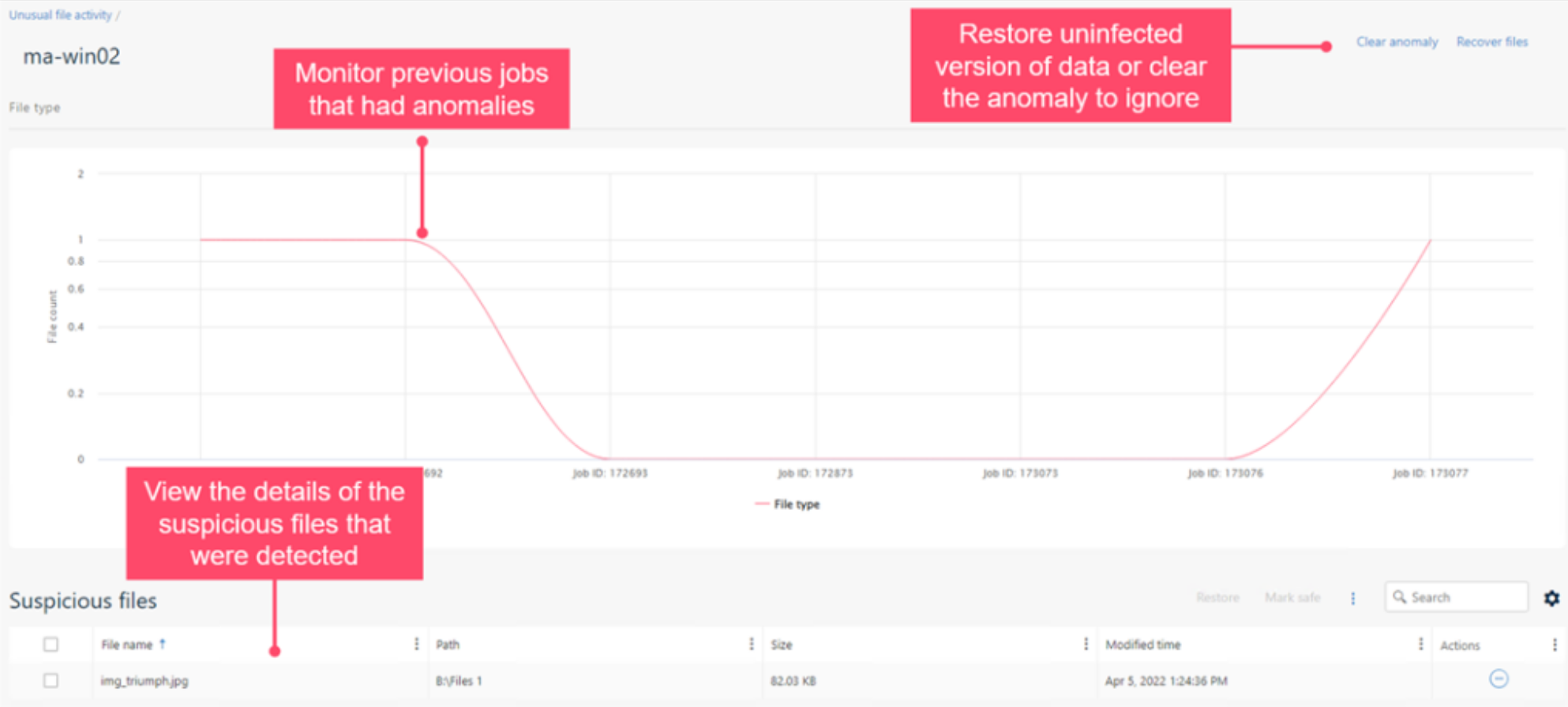
Inoltre, grazie all’utilizzo di strumenti software di automazione, i responsabili possono ricevere rapporti giornalieri sullo stato dei backup senza alcun intervento manuale. Questi strumenti forniscono informazioni in tempo reale sui backup, ad esempio se si sono verificati accessi non autorizzati o eventuali modifiche ai file. Oggi i log rappresentano un modo semplice per esaminare queste informazioni.
Backup performance evaluations are essential for businesses to gauge their adherence to established compliance regulations such as GDPR, HIPAA, and PCI DSS. It is necessary to create policies that specify the types of tests necessary and their frequency—these policies should be reviewed regularly during audits.
While some backup approaches include using external tapes to store data redundantly, these methods aren’t always suitable for larger companies with higher processing demands or those with several locations. This approach can have long restoration times that may damage the continuity of any business.
Thus, implementing a reliable, efficient backup array works wonders here because it reduces operational downtime caused by data corruption or server crash incidents. Therefore, having scheduled “backup retention time” where IT professionals research probable risks acting on timely apparatus replacement is more practical than recurring backups.
It’s just like building a structure strong enough from natural disasters instead of only counting buckets when it floods up to your knees!
One of the most critical aspects of backup planning is monitoring and reporting. In today’s compliance-driven world, organizations must be able to prove that they are adhering to regulations and protecting user data. Backup performance metrics play a vital role in ensuring regulatory adherence and avoiding data breaches.
Ad esempio, le metriche relative alle prestazioni dei backup possono fornire informazioni sul tempo necessario per creare i backup, sulla loro frequenza o sul numero di backup creati al giorno o alla settimana. Se si verificano problemi nel processo di backup, queste metriche possono essere utilizzate per individuarli e risolverli prima che diventino un problema.
Inoltre, le metriche relative alle prestazioni dei backup possono anche fornire la prova del rispetto dei requisiti normativi. Ad esempio, normative come l’HIPAA richiedono alle organizzazioni di mantenere una traccia di audit che indichi chi ha consultato le cartelle cliniche dei pazienti e quando è avvenuto l’accesso. Analogamente, il GDPR richiede alle organizzazioni di fornire una traccia di audit in caso di violazioni dei dati. Le metriche relative alle prestazioni dei backup possono aiutare le organizzazioni a soddisfare tali requisiti, fornendo la prova dell’esecuzione regolare dei backup e dei test di Recovery.
However, it’s crucial to note that backup performance metrics alone won’t ensure compliance. Compliance involves implementing a wide range of security procedures, including disaster recovery planning, risk assessments, monitoring security controls, and integrating best practice security procedures into day-to-day workflows. While backup performance metrics are an essential part of compliance monitoring and reporting, they should be used in conjunction with other security measures.
Detto questo, in che modo le organizzazioni possono garantire che il proprio piano di backup sia conforme?
Garantire il rispetto delle normative
Per garantire la conformità normativa, le organizzazioni devono adottare un approccio olistico al proprio piano di backup. Ecco alcuni passaggi chiave da tenere in considerazione:
Innanzitutto, scegliete strumenti di backup conformi agli standard di settore. Strumenti di backup dei dati di prim’ordine come Clumio possono semplificare il complesso processo di conformità e sicurezza dei dati, automatizzando i backup giornalieri e garantendo la disponibilità del ripristino dei dati nel rispetto dei più rigorosi standard di sicurezza.
Think of it this way: choosing the right backup tools is like choosing the right lock for your front door. Just as you want a lock that’s tough to break, you want backup tools that are hard to hack. The right tools can help you ensure that your data is safely stored and stored in compliance with industry regulations.
Successivamente, eseguire backup completi e parziali il più spesso possibile. I backup completi dovrebbero essere eseguiti regolarmente (ad esempio, settimanalmente o mensilmente) per garantire che tutti i dati vengano salvati. I backup parziali dovrebbero essere eseguiti con maggiore frequenza (ad esempio, quotidianamente) per garantire che le modifiche ai dati vengano acquisite.
Ad esempio, se si dispone di un sito web di e-commerce, si potrebbero eseguire backup completi su base mensile, ma effettuare backup parziali ogni notte per acquisire i nuovi ordini.
Infine, è necessario testare regolarmente i backup per assicurarsi che possano essere ripristinati in caso di attacco o perdita di dati. I test dovrebbero includere prove di failover (ovvero, verificare se il sistema di backup è in grado di subentrare in caso di guasto del sistema primario) e prove di failback (ovvero, verificare se il sistema primario è in grado di riprendere il controllo una volta che è stato utilizzato il sistema di backup).
However, it’s important to keep in mind that implementing a compliant backup plan isn’t a one-time thing – it’s an ongoing process. As regulations change and new threats emerge, organizations must continue to evaluate and refine their backup plans to maintain regulatory compliance and protect user data.