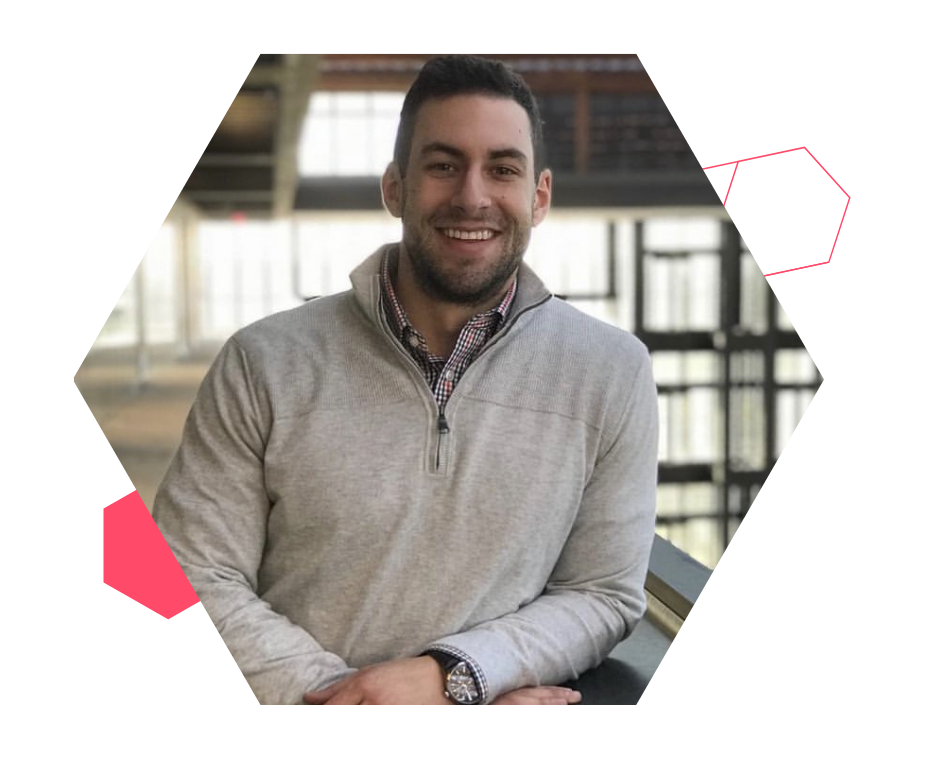
La Giornata internazionale delle donne e delle ragazze nella scienza 2023 si terrà sabato 11 febbraio e rappresenta un’occasione per promuovere il pieno e paritario accesso e la partecipazione delle donne nei settori della scienza, della tecnologia, dell’ingegneria e della matematica (STEM).
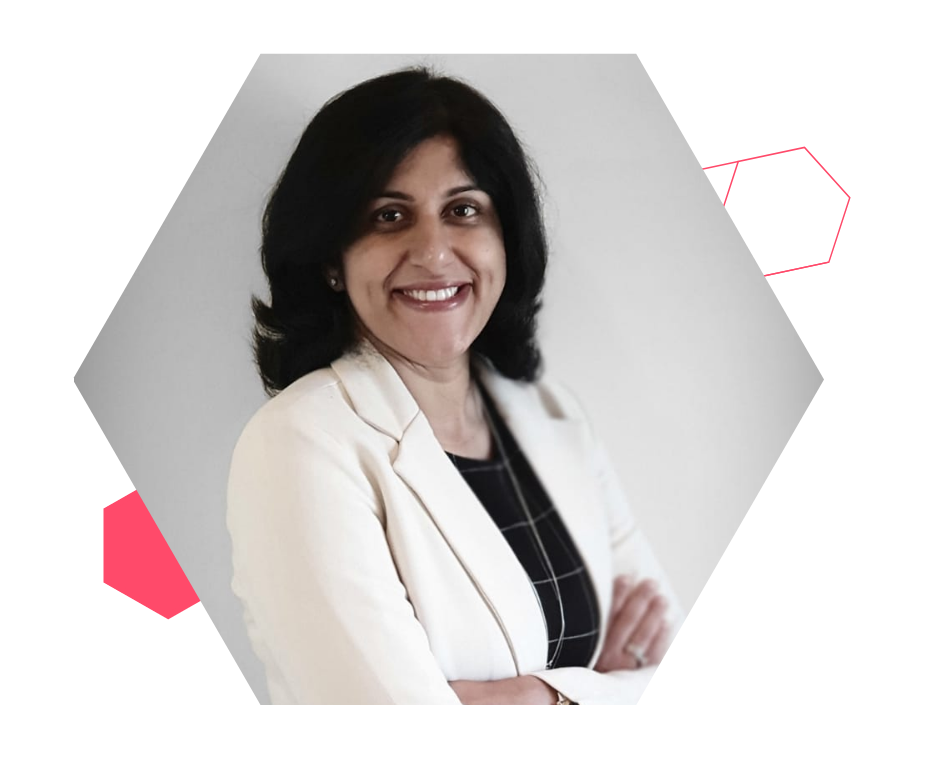
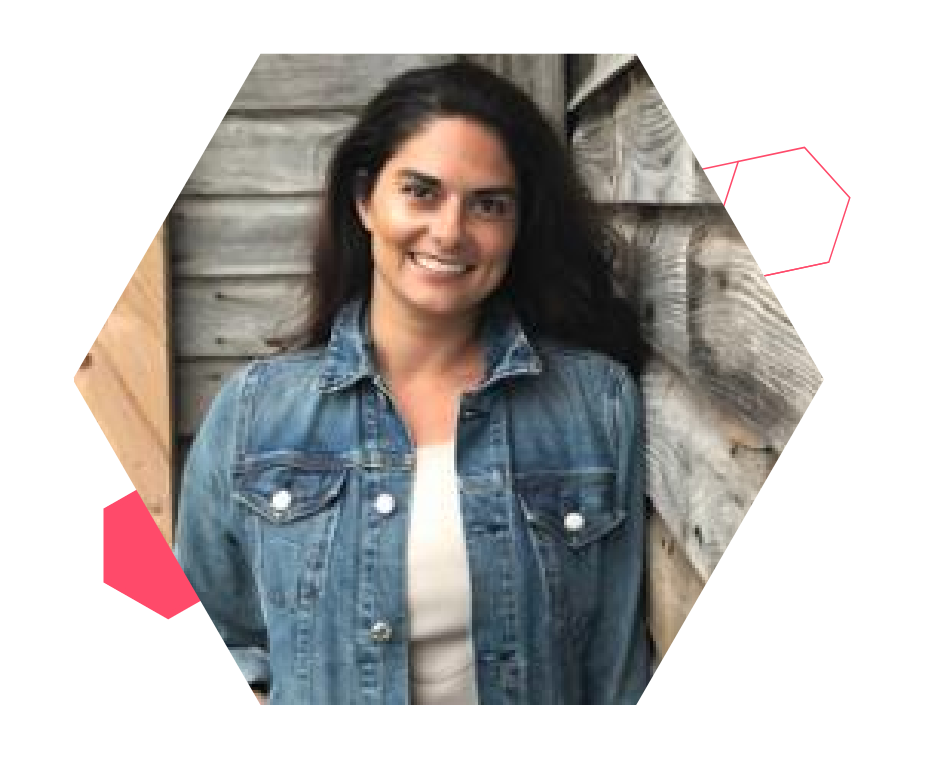
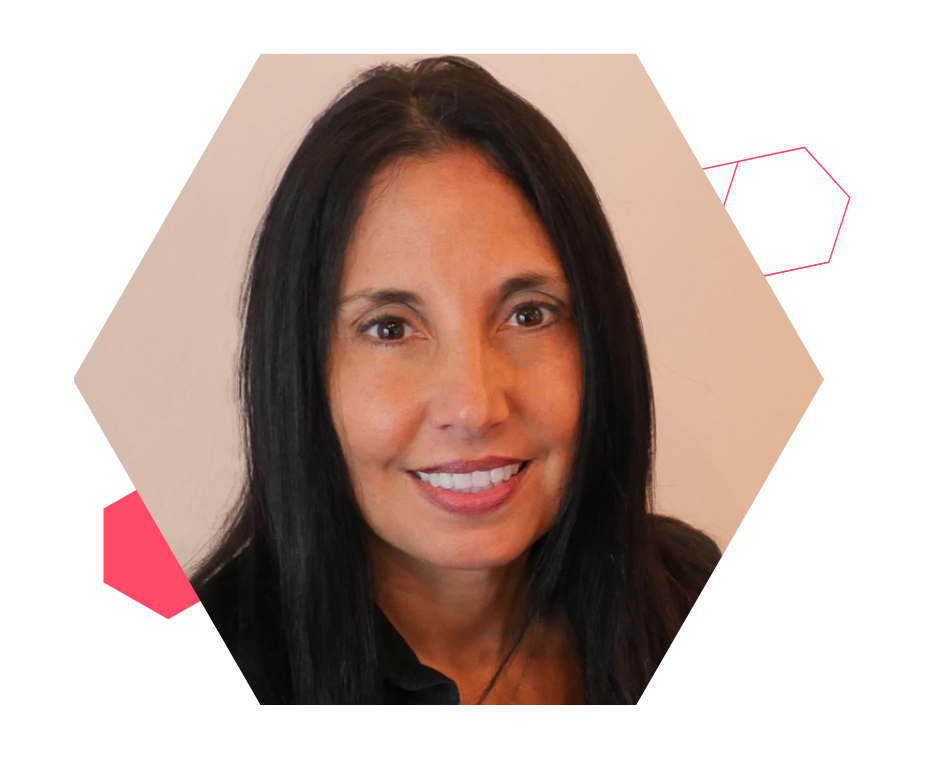
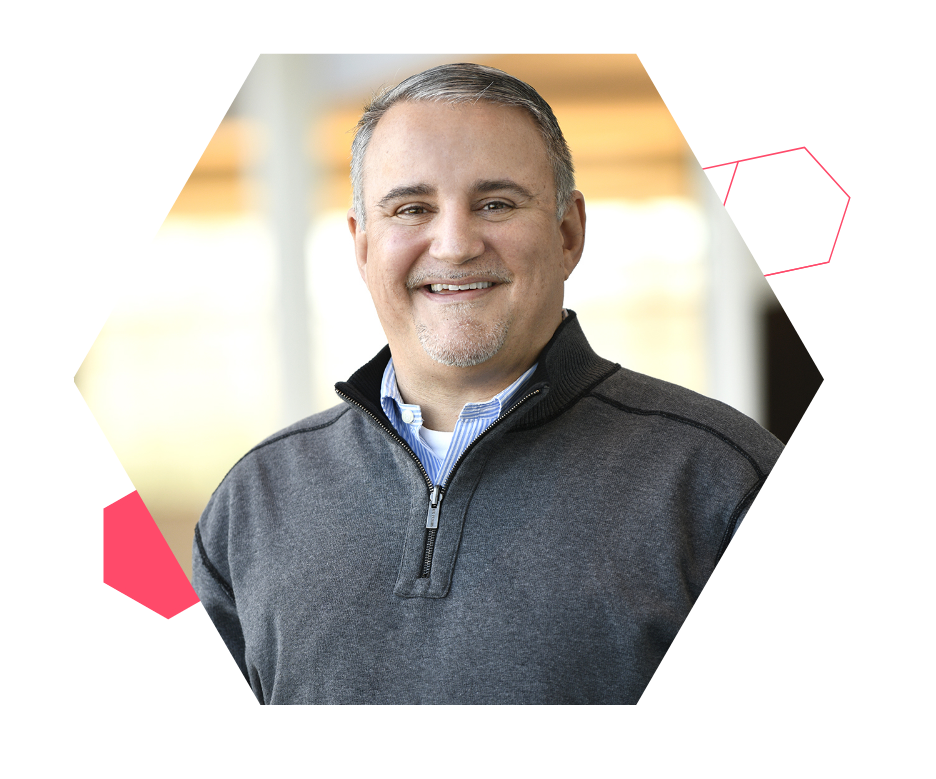
Abbiamo incontrato due leader straordinarie e fonte di ispirazione di Commvault, Vidya Shankaran, Field CTO, e Parisa Bazl, Director of User Experience, per conoscere il loro punto di vista su una serie di argomenti, tra cui:
- Perché solo una minoranza di donne intraprende una carriera nel settore STEM,
- come l’apporto di prospettive diverse possa rappresentare un enorme vantaggio nel loro ruolo e
- e quali consigli darebbero alle loro versioni diciottenni.
- Eroi personali
Why is marking the International Day of Women and Girls in Science important?
In qualità di madre di una figlia che frequenta un liceo specializzato in scienze e ingegneria, so quanto sia importante sensibilizzare l’opinione pubblica sulla necessità della parità di genere e promuovere l’emancipazione e l’avanzamento delle donne e delle ragazze nei settori della scienza, della tecnologia, dell’ingegneria e della matematica (STEM).
By celebrating this day, it serves as a constant reminder for all to work towards removing the barriers that prevent women and girls from participating – this helps foster a more inclusive and innovative scientific community and a better future for all.
Questa giornata riconosce l’importante contributo delle donne e delle ragazze in questi settori e incoraggia un numero maggiore di ragazze e donne a intraprendere una carriera nel campo delle discipline STEM.
Celebrating this day is a way to remind ourselves of how far we’ve come and the distance we still need to go. While achieving gender equality in the STEM field is an uphill battle, our progress is evidence that it is possible and we will get there. This day is also a reminder of the benefits of having diversity in technology since so many critical, fun, and interesting things — from WiFi to dating apps – had their groundwork laid by women.
Why do you think women earn STEM degrees at half the rate of men – how can we help address this?
Despite the fact that women have had a significant role to play in the progress of science and technology, they have not received the same levels of recognition as their male colleagues is an issue that transcends centuries.
I would not necessarily to ascribe it to lack of female role models in STEM – there are many unsung “heroes” – but rather to the gender stereotypes and societal expectations that science is a “male” field. This manifests in the form of insufficient support for work-life balance that women and girls encounter compared to their male counterparts.
Thankfully, it is not irreparable or beyond redemption yet – there are many things we are already doing today and should continue doing and maybe even accelerate.
Promuovere modelli femminili di riferimento nel campo delle discipline STEM attraverso la copertura mediatica e mettere in luce i successi delle donne nel mondo della scienza è fondamentale, poiché ciò ha il potere di incoraggiare le ragazze ad avvicinarsi alle scienze sin dalla tenera età.
Most importantly, it is imperative that we continue providing supportive environments in education and the workplace, such as mentorship programs and outreach activities. Providing flexible work arrangements ensures that women continue to remain motivated to pursue their careers in STEM. Finally, fostering a culture of diversity and inclusivity in STEM, and promoting equity and equal opportunities in hiring, promotion, and compensation are critical to improving induction and retention of women and girls in STEM careers.
Molte donne crescono con la percezione errata che le discipline STEM siano un ambito che favorisce i punti di forza stereotipicamente maschili, e non sempre disponiamo di adeguati sistemi di sostegno sociale per affrontare questi sentimenti di inadeguatezza e mancanza di fiducia in se stesse. La tecnologia viene spesso equiparata al software, ma in realtà riguarda molto di più le persone. Mettendo in risalto gli aspetti umani di questa disciplina, possiamo incoraggiare un maggior numero di donne a comprendere come i loro background, le loro prospettive e le loro competenze uniche possano rappresentare un punto di forza nel perseguimento di studi e carriere nel campo delle discipline STEM.
What can being a woman bring to your roles of field Chief Technology Officer (Vidya) and Director of User Experience (Parisa)
In my role, which is technology evangelism with our customers and partners, in order deliver this role successfully, it requires empathy, emotional intelligence, respect for all cultures and obviously, understanding of technology. As a woman it does require a lot more effort and perseverance to get to and keep my “seat at the table”, but it is not without the support of all men and women around me.
Sto inoltre osservando un aumento del numero di uomini che si schierano dalla parte delle donne e che hanno svolto un ruolo fondamentale nel promuovere l’accettazione, l’incoraggiamento e il sostegno alle donne nel settore tecnologico. Questi uomini sono quasi sempre padri o fratelli di donne e ragazze che operano nel campo delle discipline STEM, sono consapevoli delle sfide che le donne e le ragazze devono affrontare e sono lieti di dare il proprio contributo per rimuovere questi ostacoli. Si tratta sicuramente di un cambiamento nella giusta direzione.
Working in a field where I’ve historically been at a disadvantage means that I’ve cultivated skills which not only help me navigate the field, but also do my job very well. I have had to pay attention to the smallest details, ask incisive questions, and listen extremely closely in order to best position myself for success. These are skills that make me a better advocate for users, since great UX is built on our ability to pay attention to what their users are saying in order to piece together the optimal solutions. In addition, being an outsider within the field of technology also makes me much more conscientious of inclusivity, and how everything from the way in which my team operates down to the interface that is designed needs to be intentional about creating equitable access and success.
What advice would you give to your 18-year-old self, moving into technology?
Direi: tieni duro, perché le cose miglioreranno .
But again, the kind of pressure we put on ourselves to deliver our best day after day, I would only say to take slow down and “smell the roses” – that we are not expected to know everything or have all the answers and it is okay to say, “I don’t know”. After graduating with a degree in Chemical Engineering when I moved into Information technology, it felt like a personal failure, but I would tell me 18-yo self that it is okay to fail – “Failure” is a verb not a noun.
Consiglierei al me stesso diciottenne, che non aveva mai pensato di dedicarsi alla tecnologia, di considerarla al di là della semplice ingegneria. Come ho detto prima, la tecnologia riguarda molto più le persone che il software. Se ci concentriamo sulla nostra capacità di entrare in contatto con le persone e di coltivare la comprensione, diventiamo molto più preziosi e il nostro impatto è molto più positivo.
Personal Heroes – Who do you admire?
Nutro grande rispetto per Indra Nooyi, ex amministratore delegato di Pepsico, e cerco ogni occasione per imparare dalle sue esperienze.
I’m a big fan of Barack Obama. He is someone who also had to navigate a system that was not predisposed to his success, and he leveraged his unique skillset, background, and point of view to inspire and connect with millions of people.