Skip to content

The digital landscape is evolving. Cyberthreats have become more sophisticated, data estates are growing, and IT resources are shrinking. Today’s organizations need a more proactive approach to protecting their data in an ever-changing threat landscape. And while traditional data protection solutions may play a pivotal role in recovering post-attack, they are reactionary, narrowly focused, and no longer sufficient.

Cyberthreats today are designed to silently bypass perimeter defenses and inflict pain in ways that traditional backup and recovery solutions cannot combat. The threat of data exfiltration, theft, and damage is now more prevalent than ever and can be devastating to businesses if not addressed.

Proactive, Layered Data Protection

To address these cyber threats, organizations must look beyond conventional security tools and take steps to ensure data resiliency. This requires a proactive approach with layered protection, also known as defense in depth. It is the practice of implementing multiple tools and measures to protect against a wide range of threats. Each layer has a specific function, working in unison for multi-faceted protection for your environment. Commvault applies this very principle to data protection, uniquely delivering the right breadth of detection, security, and recovery capabilities to actively secure, defend, and recover data broadly across production and backup environments.

Layered protection that actively defends data and its recoverability across the industry’s
broadest set of workloads

Secure

Hardened, zero-trust, immutable architecture with built-in security controls to secure data, prevent unwanted access and data exposure, and drive compliance in the face of evolving cyber threats.

Defend

Patented early warning and in-depth monitoring to surface and neutralize zero-day and insider threats before they cause harm; containing breaches, limiting windows of exposure, and flagging malicious activity sooner to reduce recoveries.  

Recover

Proactive and reliable recoverability across on-prem, cloud, and SaaS workloads proven to reduce downtime, prevent reinfection, and accelerate response times for unrivaled business continuity.

Innovative Data Protection with New
Products and Services

We are pushing the boundaries of data protection in this modern world, and redefining how businesses of every size combat risk, minimize threats, secure entire data estates, and drive better business outcomes. We are setting a higher standard for customers’ security posture and delivering the best value in data protection. New products and features include:

  • Commvault Auto Recovery delivers complete cyber recovery and business continuity, both on-premises and in the cloud, providing secure, reliable, and near real-time cyber resiliency.
    • Recovery orchestration with one-click recovery of clean copies across workloads to production after validating and sanitizing recovery points.
    • Recovery validation to continuously validate backups, demonstrate recovery readiness, and reduce recovery testing complexities.
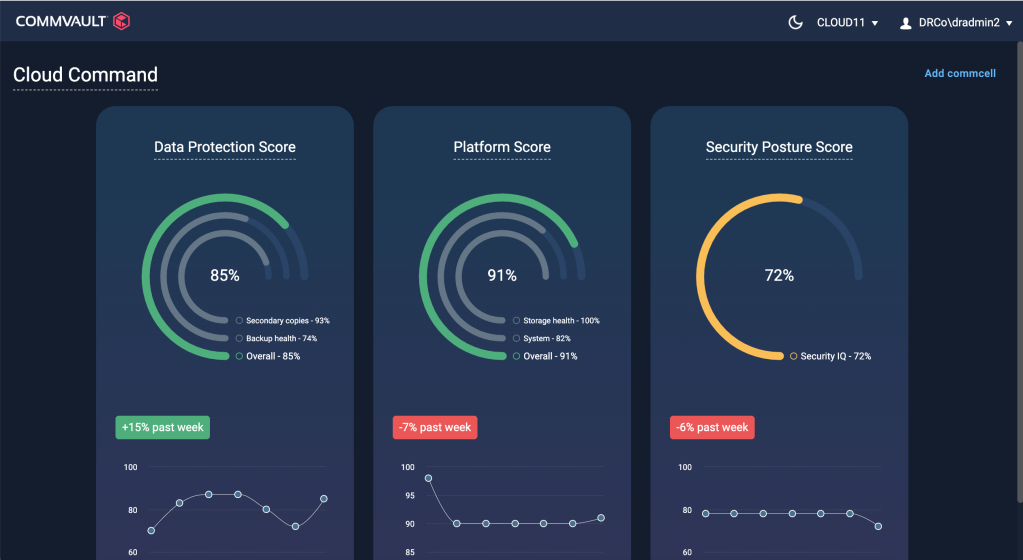
  • Commvault Cloud Command provides customers global visibility and actionable insights across SaaS, cloud, and on-premises through a SaaS-delivered unified platform. It enables standardization of security postures and simplifies data risk management to make optimal decisions for recovery readiness.
  • Commvault Risk Analysis identifies, categorizes, and classifies sensitive data such as personal, financial information, and intellectual property to prioritize security efforts and take action to reduce data exfiltration.
  • Commvault Threat Scan allows organizations to scan backup content to identify malware and files that have been encrypted, corrupted, or significantly changed to recover clean data and avoid file reinfection.
  • Security ecosystem expansion with bidirectional integrations with SIEM & SOAR platforms to meet compliance and improve your security posture by helping to align your response time through automatic actions.
  • Dynamic Credential Management integration with CyberArk to minimize the risk of stored credentials for workload protection on demand, allowing organizations to securely manage credentials within CyberArk rather than within the backup environment.
  • ThreatWise Advisor assesses backup environments and intelligently recommends decoy placement to further harden critical workloads and reduce the cognitive load for users.

Delivering a proactive and reliable recovery across the industry’s broadest workload coverage is proven to reduce downtime, thwart data loss, and accelerate response times. Businesses will benefit from our end-to-end insights and observability across the entire data protection lifecycle to anticipate risk, proactively minimize threats, control data (and its access), and drive more informed recovery outcomes.

Organizations of all sizes can feel confident that with the help of Commvault’s advanced data protection and recovery solutions, you can become the face of the next generation of data protection: Data, Secured. Data, Defended. Data, Recovered.

To learn more, use our buyer’s guide to map your current cyber security protection and recovery capabilities and determine how best to optimize your readiness plan across hybrid, cloud, or SaaS workload environments.

Watch our video on Data Protection Redefined as our mission is to secure, protect, and recover all your data with the world’s only unified data protection platform, which has the lowest TCO of any solution that even comes close.

Visit our web page to learn.

More related posts


Thumbnail_Blog-Recovery-Ready-2026

Recovery-Ready or Just Recoverable?

Read more about Recovery-Ready or Just Recoverable?
Thumbnail_Blog-Data-Leakage-Loops-2026

What is Recovery Time Objective (RTO) and How to Calculate It

Read more about What is Recovery Time Objective (RTO) and How to Calculate It
Thumbnail_Blog-Data-Access-Governance-2026

Protect Your Data from Ransomware: Learn How with Clumio

Read more about Protect Your Data from Ransomware: Learn How with Clumio

As a leader in data protection and security, Commvault values its partnerships with industry leaders, including Dell Technologies. Together, we are committed to designing, integrating, and delivering innovative solutions that meet the needs of customers. An open and extensible ecosystem is essential for the 100,000+ organizations that rely on Commvault solutions. Sanjay Mirchandani, Commvault’s CEO, explains it simply, “Integration needs to be built-in, not bolted on.” This philosophy provides that Commvault’s solutions work seamlessly with other technologies.

The new integration between Commvault and PowerProtect Data Domain delivers immediate value for PowerProtect Data Domain customers with:

  • Simplified configuration through native API-based integration
  • Improved security posture
  • Customers can leverage existing data protection plans without creating new full backups

The integration of Commvault and PowerProtect Data Domain introduces a simplified native API-based integration. This new capability allows customers to seamlessly integrate with existing PowerProtect Data Domain systems without needing the BoostFS plug-in. This reduces complexity and significantly cuts down the time it takes for customers to begin protecting their data.

Commvault customers can continue to leverage their existing data protection policies and avoid having to create new full backups or worry about increased backup set sizes thanks to the new API-based integrations. Enabling this new capability is as simple as adding a new storage unit for Data Domain Boost with valid credentials in Commvault Command Center.

Historically, Commvault has supported PowerProtect Data Domain systems as repositories, but they had to be configured as Common Internet File System (CIFS) or Network File System (NFS). The new integration enhances the security for backups with native encryption and direct data transfers without mounting a CIFS or NFS file system on the appliance, reducing the attack surface for ransomware.

Customers that leverage Security Enhanced Linux (SELinux) will also be able to natively leverage the new integrations. Providing a more secure environment where users can be confident that their data is safe from unauthorized access or manipulation.

Having a reliable and secure backup solutions is key when it comes to protecting your business’ data from cyber threats. We’re thrilled to be joining the Data Domain Boost ecosystem and continue to look for other opportunities to enhance this integration even further in the future. For organizations looking for a powerful combination of tools to protect their data, Commvault & Dell Technologies have the complete solution you need!

Make sure to subscribe to our blog for regular updates, as we’ll detail the integration process steps in the coming weeks. Sign up for our community forums to stay current on all the latest announcements, ask questions, and interact with our vibrant online community.

More related posts


Thumbnail_Blog-Recovery-Ready-2026

Recovery-Ready or Just Recoverable?

Read more about Recovery-Ready or Just Recoverable?
Thumbnail_Blog-Data-Leakage-Loops-2026

What is Recovery Time Objective (RTO) and How to Calculate It

Read more about What is Recovery Time Objective (RTO) and How to Calculate It
Thumbnail_Blog-Data-Access-Governance-2026

Protect Your Data from Ransomware: Learn How with Clumio

Read more about Protect Your Data from Ransomware: Learn How with Clumio

Last week, we hosted our FY24 Global Company Kickoff – a time when our entire Vaulter community comes together to kick off the start of our fiscal year, hear from our leadership team on our strategy, and celebrate how we’re going to continue to win together!

Yet here’s the thing – winning together can only happen if we are able to support and show up for each other. We show up for each other in bigger moments, but also (just as importantly) in smaller moments each day. Here at Commvault we always have each other’s backs, and this type of culture defines who we are.

During our Kickoff event, we had the opportunity to hear from our Vaulters across the world on how they’ve felt supported at Commvault. These are the moments that matter!


As I listened to their perspective, I realized that all our efforts – from connecting, inspiring, caring, and delivering – are rooted in trust. The trust we’ve built with each other, the trust we’ve built through our relationships with our customers and partners, and the trust we’ve built through our outreach and support of the communities we live in.  

The foundation of trust is knowing that someone is going to show up for you. They have your back. So that’s why in FY24, we are recommitting to showing up for each other and continuing to strengthen the incredible foundation we’ve laid over the past 27 years.  

Here’s to an amazing FY24!

Check out your next opportunity by visiting our careers site here https://careers.commvault.com/us/en  

More related posts


Thumbnail_Blog-Recovery-Ready-2026

Recovery-Ready or Just Recoverable?

Read more about Recovery-Ready or Just Recoverable?
Thumbnail_Blog-Data-Leakage-Loops-2026

What is Recovery Time Objective (RTO) and How to Calculate It

Read more about What is Recovery Time Objective (RTO) and How to Calculate It
Thumbnail_Blog-Data-Access-Governance-2026

Protect Your Data from Ransomware: Learn How with Clumio

Read more about Protect Your Data from Ransomware: Learn How with Clumio

The threat from ransomware continues to be an unfortunate daily reality for technologists and security professionals. But, before we talk about “doom and gloom” we should recognize how far the industry has come. I would argue in the not too distant past, most companies were susceptible to what we would consider a relatively unsophisticated ransomware attack. Open Email -> Malware -> Network spread -> Ransomware ->

With the advancements primarily in the endpoint space, adoption of work from anywhere, and zero trust principles, the industry has made significant advances in protecting against these types of attacks.

Still, every week we see new articles on successful ransomware attacks. Many ransomware report trackers actually show an uptick in 2023. For instance Black Fog’s The State of Ransomware report shows an 8% uptick year over year. In addition, we see actors starting to target data storage outside of what traditionally is attacked, such as cloud storage and cloud databases.

“”If we truly have made advances against ransomware, why the increase in successful attacks?“”

It’s all about priorities

In analyzing these successful attacks, I’ve identified two primary categories where the system breaks down, allowing malicious actors to succeed in ransom style attacks.

  1. Lack of investment in an information security program. At the surface this seems obvious, and it is. You pay for what you get. Organizations with big-budget security teams suffer fewer ransomware attacks (with exception discussed in the next category).It’s easy to put on your curmudgeon hat and say “Well people just need to take this more seriously, and spend more on security!” The reality is most attacks we see in the news resulting from a lack of investment are against public services. Many of these organizations are simply not financially equipped to invest in the staff, time, and “cutting edge” technologies that can stop attacks. I’m going to end the thought there as it’s a different blog on politics, public policy, and unification. Public spending is not a topic that can be glazed over. But, the next category we as an industry can tackle more easily.
  2. We have on blinders. I understand this is a big statement, but when the topic is approached correctly, I often hear vigorous agreement that this is the case.
    When I say we have blinders on, I mean we are not fully vetting the risk model of ransomware. We are too focused on how common attacks succeeded to see where we have gaps in our security programs. We focus on protection of endpoints, servers, and traditional data storage technologies (SAN, NAS etc) and consequently succeed in protecting those assets from attack.

“At the end of day, a threat actor who wishes to hold data for ransom only has to accomplish one task: deny availability of critical business data.“

Many companies are more focused on controls for preventing attacks than implementing a holistic strategy to protect availability. In other words, don’t focus only on the ransomware attack, focus on a more general availability protection strategy inclusive of “data encryption for impact” (ATT&CK ID T1486.)

For example, many ransomware playbooks are focused on the idea that an actor could execute a binary payload and encrypt data. But the same effect could be achieved, given sufficient access, by simply swapping encryption keys on a critical database. The degree of difficulty for an attacker to pull this off varies wildly, but for many organizations it is a valid attack path. Don’t be too quick to point out that native DB backups, multi-versioning etc. can solve this. It’s not wrong by any means, but the reality is that due to performance impacts on large databases, these controls are often disabled and you may or may not be informed. In addition, management of these protection methods are often done from the same privileged credentials as normal admin activity, which are the credentials targeted by threat actors.

Okay…. but what does that mean…

All in all, it means you should revisit your ransomware playbook and consider making a top-level availability playbook if you don’t have one already (If you do, revisit it with a ransom lens). This should be a cross-functional effort. The security team should take a first pass, then sit down with data owners, infrastructure teams, and DR/BC teams to brainstorm on the most realistic protection and recovery methods. Many protection and recovery methods come with a performance trade off. Security can not ignore this reality, and IT can’t ignore security in favor of performance. There is no one size fits all answer.

The following can be used as a loose starting point for what to think about in this effort:

  1. Understand all critical business data stores, including:
    • “Private” managed data stores, NAS SAN
    • Employee devices
    • Databases (both on-prem, traditional cloud abstraction, and  as-a-service
    • Cloud storage
  2. Create a list of tactics, techniques and procedures that can be used to impact availability of your critical data stores and map to MITRE ATT&CK. (https://attack.mitre.org/tactics/TA0040/)
    • Ex 1: Mass encryption of endpoints
    • Ex 2: Theft and deletion of critical data stores (Cloud and on-prem)
  3. Map tactics to data sources, and rank based on likelihood of occurrence.
    • Prioritize based on a legal, operational, and strategic risk
  4. Evaluate controls and processes
    • Identify opportunities to implement controls for prevention, detection, response, and recovery by data source.
    • Identify gaps
    • Create new processes and controls
  5. Update your ransomware response playbook with response methods for all techniques based on your response and recovery procedures from step 4.
  6. Run a joint table top exercise (TTX) and DR exercise at the same time.
    • This is a real challenge. Combining the two to perform a “open book” TTX with some random injects will really show how the teams work under the pressure of a real ransomware incident.

Summary

Threat actors keep evolving to stay relevant and protect their income. Although we have gotten pretty good at protecting against traditional ransomware threats as an industry, every organization likely has a few blind spots. 

  • Ransomware attacks keep succeeding. 
  • As we get better at stopping traditional attacks, threat actors change their tactics to maintain success 
  • Threat actors are targeting data stores such as DBs and cloud storage 
  • Update your response playbook with detect, prevent, respond and recovery options for non-traditional availability recovery
  • Implement immutable and performant backup solutions for DBs and cloud assets.

How Clumio Helps

Clumio focuses on helping customers build resilience into their cloud applications and data. When it comes to ransomware, recovery is a key backstop to maintaining your business application availability. With Clumio’s backup options for databases like Amazon RDS, MS-SQL on EC2, and DynamoDB as well as Amazon S3, EC2, EBS, and Microsoft 365, you can create performant recovery strategies to make both infrastructure and security teams happy. 

More related posts


Thumbnail_Blog-Recovery-Ready-2026

Recovery-Ready or Just Recoverable?

Read more about Recovery-Ready or Just Recoverable?
Thumbnail_Blog-Data-Leakage-Loops-2026

What is Recovery Time Objective (RTO) and How to Calculate It

Read more about What is Recovery Time Objective (RTO) and How to Calculate It
Thumbnail_Blog-Data-Access-Governance-2026

Protect Your Data from Ransomware: Learn How with Clumio

Read more about Protect Your Data from Ransomware: Learn How with Clumio

Do I need to backup my AWS environment?

As businesses rely on AWS for their critical operations, it becomes imperative to protect the underlying data against threats and keep up to date with compliance and user requirements. While AWS is well-known for its infrastructure resilience, it is the customer’s responsibility to protect their data. AWS does provide many resources and services to help protect data, but for many organizations, going with a specialized vendor works out simpler and cheaper. A robust backup strategy can provide peace of mind by ensuring that the company’s data is safe and can restore in the event of data loss.

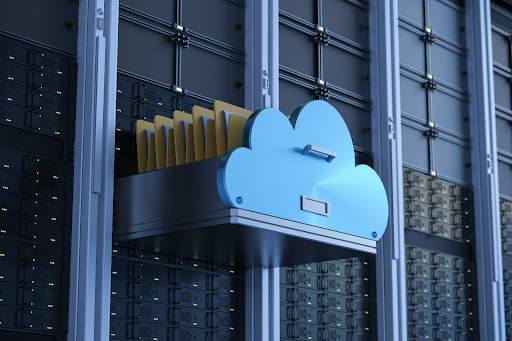
A cloud shaped drawer full of files being pulled out of a server stack. Represents the customer responsibility for backing up and protecting data within the resilient AWS infrastructure.

What AWS services should I backup?

While your application architecture may be dependent upon many services, the ones housing your critical data should in most cases, enterprises emphasize the protection of Amazon S3, used for storing objects and files, and Amazon EBS, used for storing data on virtual disks. Amazon RDS, a managed relational database service, and Amazon DynamoDB, which offers a NoSQL database solution, are the other critical services to backup. Each of these services may play a vital role in the operations of your business, and backing them up will ensure that you can recover from any data loss or corruption.

What are the security best practices in AWS?

The most effective approach to backup AWS services depends on the application dependencies and its retention and recovery policies.

For business-critical services, it is important to backup data every few minutes, and keep them for as long as the most stringent compliance requirements. Amazon provides some ways to do this. For example, Amazon EBS snapshots can backup Amazon EBS volumes, while Amazon RDS snapshots can backup Amazon RDS databases. Also, some AWS services, such as Amazon S3 Glacier, support cross-region replication, which allows you to maintain a secondary copy of your data in another region. But, snapshotting or replicating each AWS service might not meet your applications recovery time and recovery point objectives. AWS also offers more granular backup tools such as AWS Backup and versioning, but the data from these services will live within your organization’s AWS account, putting it at risk in case there is a breach

A holistic way to do AWS backup is to identify a SaaS backup software vendor that backs up a large suite of AWS services, does so without the need for snapshot replication, identifies potential risks and events, scales no matter how much data you want to protect, and does so at a competitive price-point. Whichever approach you choose, it’s important to test your backups to ensure that they can be restored

Does AWS protect my data?

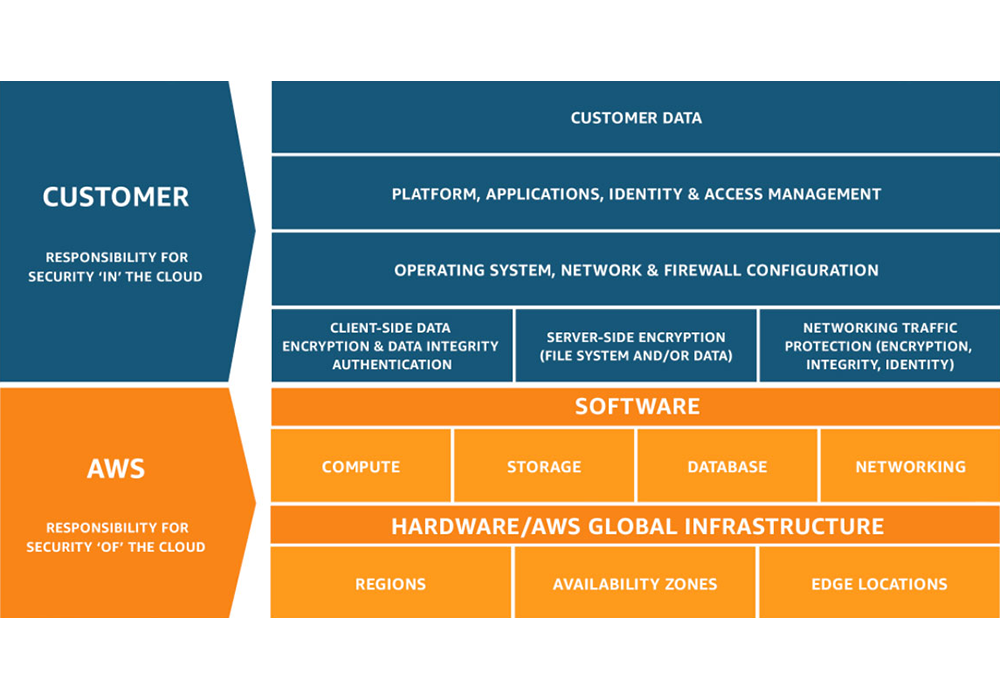
While AWS handles securing the underlying physical and network infrastructure that supports your workloads and data, You are responsible for securing the workloads and data you deploy in AWS. This is called the Shared Responsibility Model, and is a fundamental part of how AWS operates. Data security is the responsibility of the customer. This includes ensuring that sensitive data is encrypted and backed up, as well as implementing proper access controls to restrict who can access your data. Also, customers must also ensure that their applications and systems are patched against known vulnerabilities AWS provides a number of services and features to help customers secure their data, but it is the customer’s responsibility to implement these properly. AWS takes security very seriously and works hard to protect customer data. Yet, it is important to remember that customers have the primary responsibility in ensuring their data is secure.

What is the shared responsibility model of AWS?

Shared responsibility model means that AWS is responsible for the security of the cloud, and the customer is responsible for the security in the cloud. In simple words, it means that data is the responsibility of the customer. Shared responsibility model provides customers with control over their own data, letting them implement their own protection policies and air-gaps, and use the tools to best recover their data in the event of data lossThe Shared responsibility model is based on three pillars:

  • Security of Data: The customer is responsible for securing their data. This includes encrypting data and backing it up regularly, as well as ensuring access control.
  • Security of Infrastructure: AWS is responsible for securing the underlying infrastructure that customers use to run their applications. This includes physical security, network security, and host hardening.
  • Operational Security: both AWS and the customer are responsible for operational security. This includes tasks such as patch management and log monitoring.

What is the difference between AWS snapshots and backups?

Backups are a copy of data that can be used to restore lost or damaged files, while snapshots are a copy of the state of a system at a particular point in time. Both have their own advantages and disadvantages, and it’s important to understand the difference before deciding which to use. AWS snapshots are incremental, meaning that only changed blocks are copied since the last snapshot. This makes them very efficient in terms of storage space, but it also means that more work is required to restore a system from scratch using incremental snapshots. Backups, on the other hand, are full copies of data that can be quickly restored in the event of data loss. However, this also makes them more expensive to store and can result in a longer recovery time if a lot of data has been lost. There are multiple AWS partners – such as Clumio – that provide extreme efficiency in backups that provide all the benefits of backups at a price point that’s comparable to snapshots.

What are the key factors to keep in mind while backing up AWS?

When it comes to backing up data in the cloud, there are a few key things to keep in mind. First, recovery time and recovery point are essential. How quickly do you need to be able to access your data in the event of an outage, and how much data can you afford to lose? Second, your choice of backup solution should be simple to use and understand; the last thing you want is a complex system that’s difficult to manage in a time of crisis. Third, price is always a factor. How much are you willing to spend on backing up your data? And if you want to build it yourself, can you afford the engineering costs and complexity associated with it? Keeping these factors in mind, you can ensure that your AWS S3 backup is as effective as possible.

Is backing up AWS difficult?

Backing up data is a nuanced process, and if building a backup solution on AWS, users must have a deep understanding of the platform in order to properly configure their backup plan. Additionally, because AWS offers so many different storage and computing options, it can be difficult to know which service is best for backing up data. For this reason, many businesses choose to use turnkey SaaS backup tools from AWS partners, such as Clumio. These tools provide an easy-to-use interface for configuring backup plans and can automate many of the complex tasks involved in data protection. Moreover, they provide an air gap against ransomware attacks, as well as extreme storage efficiency and scale. Backing up AWS services need not be complex, but the right solution depends on the application, expertise of the user, and the services being protected.

How can I backup AWS?

AWS provides a first-party tool called AWS Backup that backs up many services such as DynamoDB, Amazon EBS, Amazon EC2, Amazon RDS, and Amazon S3. You can use AWS backup to protect your databases, storage volumes, and file systems. AWS backup uses incrementally updated snapshots to provide point-in-time recovery for your data. However, if you want to simplify your backup infrastructure to free up your engineers to focus on driving business value, you may want to consider using a turnkey third-party backup solution such as Clumio.

More related posts


Thumbnail_Blog-Recovery-Ready-2026

Recovery-Ready or Just Recoverable?

Read more about Recovery-Ready or Just Recoverable?
Thumbnail_Blog-Data-Leakage-Loops-2026

What is Recovery Time Objective (RTO) and How to Calculate It

Read more about What is Recovery Time Objective (RTO) and How to Calculate It
Thumbnail_Blog-Data-Access-Governance-2026

Protect Your Data from Ransomware: Learn How with Clumio

Read more about Protect Your Data from Ransomware: Learn How with Clumio

We live in interesting times, don’t we? Data has reshaped business, how organizations operate, and what customers expect. It’s a hybrid cloud world, where companies have more data in more places, on more apps and different platforms than ever before. And AI is on the verge of changing everything in profound ways. 

All of which makes data the most critical asset you own, the heartbeat of your organization. In short, there’s nothing more important than ensuring its security and protection. 

Too bad the space is full of hype and me-too claims that all sound alike. To make smart decisions requires clarity. But some vendors seem more dedicated to throwing shade than grasping the dimensions of the problem. Trying to convince you that the only answer is a volume play—multiple solutions, more tools, more backup or a new partnership marketed heavily as solving a customer problem, but in reality, is only solving a gap in vendor capability or a workload coverage issue.

But are these claims really true? Or are they just relying on a lot of flashy buzzwords to make up for the shortcomings in their own offerings? It’s kind of insulting if you think about it—as a smart tech buyer, aren’t you going to see through this stuff?

Questions well worth asking. I did when I first joined Commvault. My take on marketing technology is simple: you find out what your product does better than your competitors and find a smart, compelling way to talk about it. You don’t lie. You don’t exaggerate. You explain.

Let’s start by explaining that Commvault protects the broadest range of workloads of any vendor. As the ultimate data protection for today’s hybrid cloud world, we cover on-premise, private and public cloud, SaaS, and almost anywhere your data lives.

1st and Only

Fully managed DPaaS to support multiple clouds.

1>6

syncreon saved $500K by consolidating six backup solutions into one.

So, when some new competitor starts labeling us as “legacy data protection”, you’re smart enough to know that really means they’re trying desperately to keep up with our multi-cloud SaaS Data Protection, cloud air-gap, and integrated threat deception technology. 

When they call our protection of a broad range of workloads  “complex”, you’re not about to confuse flexibility with complexity. Flexibility, good. Complexity, bad. Ironically, the same vendors doing this are also forcing customers to adopt and manage separate point solutions. And what does that bring with it (in addition to cost and risk)? Say it with me: complexity.

100% Protected

Commvault supports all types of workloads; it is literally universal. Metallic runs in the cloud, but Commvault has not forgotten the importance of protecting on-prem workloads.1

Now let’s talk about security. I’ve seen companies sell their products as the “only” or “best” Zero Trust security. Well, for one, Zero Trust is a comprehensive approach. Not some bolt on capability. In a hybrid world, data security only works, as it does in Commvault, when it’s built in, pervasive, has the capability to also defend beyond breaches, and guards backups, as well.

5 min vs. 24 hours

Commvault detects threats faster.

3x Lower

TCO in the Cloud than Rubrik and Cohesity.

Which brings me to my last point. A lot of what some competitors label as “unique” to them—immutability, zero trust, backup monitoring—are actually just table stakes in a robust data protection solution, like Commvault.

Don’t just take our word for it. Listen to what our customers have to say:

We were looking for an offering that could protect the many key platforms deployed across our environment, and Cohesity couldn’t check either of those boxes.


– Jeffrey Day, IT Security Architect at Nevada Department of Transportation


We hear this a lot actually; “To scale you need more boxes, more, more”.  But in data protection, bigger doesn’t mean better, and it certainly doesn’t mean smarter.  It adds more of the things you don’t need: cost, complexity and risk via a bigger cyberattack surface. 

With something as critical to the success of your business, there really isn’t room for fuzzy claims and fudged execution. A hybrid cloud world demands comprehensive data protection that gives you options (not complexity), delivers proactive security, active data defense, and rapid recovery through a single, gap-free platform. Without add-ins, bolt-ons, and upsells. It’s time to cut through the noise and deliver effective solutions, so you can focus on what really matters—running your business.

Visit www.commvault.com/questionit

Sources:

1. ESG research (From Data Backup to Data Intelligence, January 2022)

More related posts


Thumbnail_Blog-Recovery-Ready-2026

Recovery-Ready or Just Recoverable?

Read more about Recovery-Ready or Just Recoverable?
Thumbnail_Blog-Data-Leakage-Loops-2026

What is Recovery Time Objective (RTO) and How to Calculate It

Read more about What is Recovery Time Objective (RTO) and How to Calculate It
Thumbnail_Blog-Data-Access-Governance-2026

Protect Your Data from Ransomware: Learn How with Clumio

Read more about Protect Your Data from Ransomware: Learn How with Clumio

“We’re #1! We’re #1!”

When the dust settles on championships, that chant is heard in stadiums worldwide. High score wins, the trophy is held aloft (tossed, if you’re Tom Brady), and the celebration begins alongside Queen racking up more well-deserved royalties.

But how do you determine who’s at the top of the mountain in the data protection world? Ensuring the integrity of your crown jewels in the cloud or on-prem is not a game that ends after a preset period – it’s an ongoing battle that rages 24 x 7 and is fought by CISOs, IT Managers, Database Administrators…the list goes on. It’s complicated, requires adaptable strategy, dedication to the cause, and relentless ambition to best bad actors.

As a result, it’s always an interesting exercise to unpack claims of dominance in this market. Some are true (but come with asterisks), some are highly debatable, some are false, and others are flat-out hyperbole. Let’s look at how one vendor positions their claim of being the best.

Subjective vs. Objective…vs. the Real World

Right out of the gate, we need to understand that many cloud claims rely on two dimensions: subjective (open to opinion) and objective (factual). However, let’s not forget about what we call “real-world” claims – this is what directly impacts your business, and how you use the cloud to run it. Examples:

  • Objective claim: “81% of the Fortune 500”
    • Assuming this is correct in some capacity, there is no context to support it. 81% tried the product? Bought the product at one time? Have been using it for more than a year?
    • Is your company in the Fortune 500? If not, the message is “If it’s good enough for them, it’s good enough for you.” See? Now it’s become a subjective claim.
    • Do you have the resources/budget of a Fortune 500 company? If not, how does this help you?
  • Subjective claim: “We protect everything”
    • Everything means every single kind of data in existence, from every vendor. Which certainly encompasses every cloud workload.
    • In this case, the vendor making this claim actually does not backup certain workloads for Azure databases.
    • Are you in the Azure cloud? If so, how does that statement sit with you?

Which brings us to the real-world aspect. We know that 80% of all enterprises have a hybrid cloud strategy1…and once you are in the cloud, you’re going to stay in the cloud. You may be multi-cloud, public cloud, or hybrid cloud, but make no mistake, you’re invested. So why do broad claims like the above exist?

Because assurance is hard to come by in the real world.

And because trusting is easier to do than verifying.

14M M365 users? Ever wonder how many of those are using the free version of the app? It’s a significant number – which means you’re not being given the complete picture.

Fact: peace of mind means different things to different businesses. Different clouds, different workloads, different skill sets, different levels of security in place. They all come together to form your personal cloud strategy. And at the end of the day, what matters is that your data can be restored to its pre-attack/incident state and is 100% intact, regardless of where it resides or what workload(s) are being made whole again.

That’s the claim that matters. That’s the real-world cloud claim. Full stop.

At Commvault, we make assertions about how we stack up very, very seriously. Any claims we make are objective and rooted in 3rd-party validation, and of course, fact. There’s no better way to be transparent, and we’ve been doing so for over 26 years. Our customers and partners rely on that to defend, secure, and protect their data, day in and day out.

Are you making decisions that impact your business based on claims that at best, are not applicable to you, and at worst, completely false?

“Just the Facts, Ma’am”

The concept of Data Protection has evolved. It’s no longer sufficient to just provide backup – data protection solutions/services/platforms must now include features such as data security, analytics/insights, governance, compliance, data management, data mobility/migration, transformation, and of course, recovery. Many less capable vendors have been forced to approach this via acquisition partnerships/OEM, or via other more fragmented approaches with multiple tools.


Commvault is different.

There is an extensive list of achievements in the data protection space pioneered by us as the first to deliver on them – and in some instances, still the only vendor to do so. Consider the following:

  • First to launch fully managed DPaaS offering supporting multiple clouds (Metallic®).
  • First to launch cloud air-gapping (Metallic® Recovery Reserve™).
  • First enterprise data protection solution to support containers and Kubernetes (2017).
  • The only vendor with support for many cloud-native applications (AuroraDB, CosmosDB, OCI, more) that other vendors cannot protect.
  • The only vendor to support protecting all Azure PaaS databases.
Being #1 Means Cloud Security is Built-In–Not Bolted On

Many vendors overplay their support for immutability (either directly or via third parties) as sufficient data security, but if you don’t know you even have corrupted data, how can you truly be “protected”?

Immutability is table stakes, but it’s not enough. Without air-gapping, detection, and other layers of data security you end up with ransomware-infected immutable files. You need more than just immutability as part of your solution – things like:

  • Metallic® ThreatWiseTM cyber deception and early warning solution.
  • Support for the air gapping, – to include tape.
  • Granular “clean” recovery, ensuring ONLY the bad data is “purged,” but the good data is still available.
  • No additional tools or third-party support required.
  • Cloud extension for immutability without the need for appliances.
  • No need to LOCK the entire backup copy when corrupted data is found – which means that good data is getting thrown out with the bad, which equals data loss.
Being #1 Means Reducing TCO (or “Show me the money”)

Finally, let’s cut through the marketecture and jargon/rhetoric around TCO used by some vendors to lay claim to that #1 positioning. Today, TCO is a close second to security in terms of what you need. So, while saying things like “1.1M average cost savings” is (again) highly subjective depending on your company size, consider what real TCO looks like in any given situation:

  • True SaaS means zero infrastructure to manage; a control plane in the cloud does not mean SaaS.
  • Deduplication saves data ingress/egress charges.
  • Compression means less data mobility and more savings.
  • The ability to scale your solution up AND down depending on need – not just scaling up if demand is reduced or workloads shift to other clouds/platforms.
Being #1 Means Complementing Cloud Native Capabilities

The cloud offers data resilience, which is important to ensure that your data and applications are always available, but does not protect you from data corruption, malware, or other related incidents – you end up with highly resilient “bad data.” Data protection is critical for cloud native and SaaS-based applications.

And because being able to protect any application is the name of the data protection game, how does one claim to be #1 in modern data protection without that? Commvault offers best-in-class data protection for traditional, hybrid, cloud, modern, and containerized applications as part of a unified service and console – eliminating the need for multiple, overlapping tools. Offering the broadest spectrum of workload coverage in the industry, Commvault drives “hard cost savings for Microsoft customers” according to ESG. And the Gartner Magic Quadrant? A leader the last 11 years in a row. Add to that leader status for the most recent GigaOm Radar Hybrid Cloud Data Protection report, and you know you’re in good hands.

Wrapping up, we’re not here to debate our position on the data protection leaderboard, although we do think our case for sitting at the top is strong. The way our 100,000+ customers see it, with over 3.8EB having been moved to the cloud, Commvault is the global leader in hybrid cloud data protection. We’ve been doing this for 26 years, nearly all of it with our foundational partner Microsoft.

The TL; DR? Ask your vendor if your data is being secured, defended, and recovered with 100% efficiency, for the right workloads, in the right places, by the right vendor – both now AND in the future. You might be surprised by what you find.

Take a test drive of Commvault today https://www.commvault.com/request-demo

Reference
1. State of the Cloud Report, Flexera, 2022

More related posts


Thumbnail_Blog-Recovery-Ready-2026

Recovery-Ready or Just Recoverable?

Read more about Recovery-Ready or Just Recoverable?
Thumbnail_Blog-Data-Leakage-Loops-2026

What is Recovery Time Objective (RTO) and How to Calculate It

Read more about What is Recovery Time Objective (RTO) and How to Calculate It
Thumbnail_Blog-Data-Access-Governance-2026

Protect Your Data from Ransomware: Learn How with Clumio

Read more about Protect Your Data from Ransomware: Learn How with Clumio

Here at Commvault, our four values – we connect, we inspire, we care, we deliver – are foundational to everything we do.

This week we hosted our quarterly internal Global Town Hall meeting and presented our CEO Living Our Values Awards. This quarterly awards program helps us globally recognize and celebrate our Vaulters for their incredible work as they live our values every day.

I’m so proud to announce our FY23 Q4 CEO Living Our Values Award winners:

Stephanie​ Cunliffe
Director | Business Systems Analysis

Jennifer​ Kelly
Administrative Assistant/Receptionist

Leah​ Flynne
Director | Compliance

David ​Stupar
Manager | Customer Success

Metallic Site​ Reliability Team

Justin Avignone​
Manager | SRE – Application

Karunakar Bojjireddy​
Director | Cloud Operations SaaS

Peter Coviello​
Senior Director | Applications, Engineering

Prashant Jayram
Senior Data Solutions Architect

Alex Piccolo
Data Scientist 2

Reddi Prasad​
SRO Engineer

Firoz Sahib​
Manager SRE

Siddhant Saini​
Director | SaaS Operations

Shankaar Thiagarajan​
Senior Architect


All these winners set an inspiring example and embody what it truly means to be a Vaulter!

To learn more about what it’s like to work at Commvault, check out our careers site.

More related posts


Thumbnail_Blog-Recovery-Ready-2026

Recovery-Ready or Just Recoverable?

Read more about Recovery-Ready or Just Recoverable?
Thumbnail_Blog-Data-Leakage-Loops-2026

What is Recovery Time Objective (RTO) and How to Calculate It

Read more about What is Recovery Time Objective (RTO) and How to Calculate It
Thumbnail_Blog-Data-Access-Governance-2026

Protect Your Data from Ransomware: Learn How with Clumio

Read more about Protect Your Data from Ransomware: Learn How with Clumio

Data resilience in the cloud can be fuzzy, and organizations at different stages of cloud maturity and use-cases approach resilience differently. To help cloud adopters evaluate where they stand compared to their peers when it comes to cloud data protection, Clumio recently worked with Enterprise Strategy Group (ESG) on their research report titled Data Protection Cloud Strategies at a Crossroads. Here are a few key takeaways to get you started:

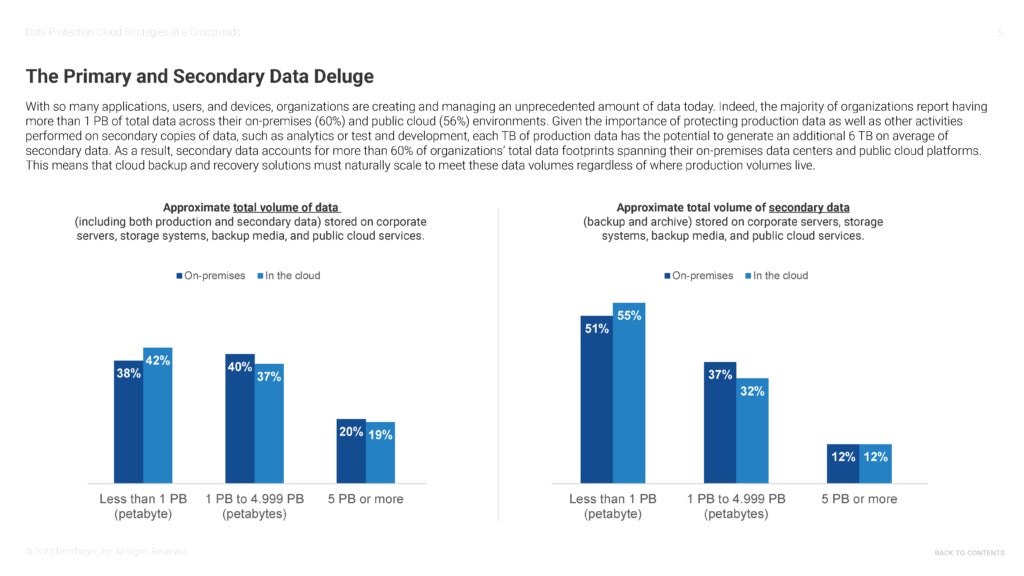
Secondary data is first in volume

Most cloud environments contain more secondary data than primary data! About 61% more to be precise.

Source: Enterprise Strategy Group, a division of TechTarget, Inc. Research eBook, Data Protection Cloud Strategies at a Crossroads, May 2023

According to survey respondents, the estimated mean of secondary data in the cloud is 2.9 PB out of an estimated mean of 4.7 PB of total cloud data, meaning the primary data would account for only about 1.8 PB!

This indicates that for enterprises looking to optimize cloud data costs, secondary data is the place to start. You might find orphaned snapshots, unused replicas, or excess versions. It’s also a good idea to take a look at your backup spend. Could you be more efficient with it? We have a few ideas for you. 😉

ABA (Always be Assessing)

If you feel like your company reassesses its data protection strategy frequently, you’re in good company.

Source: Enterprise Strategy Group, a division of TechTarget, Inc. Research eBook, Data Protection Cloud Strategies at a Crossroads, May 2023

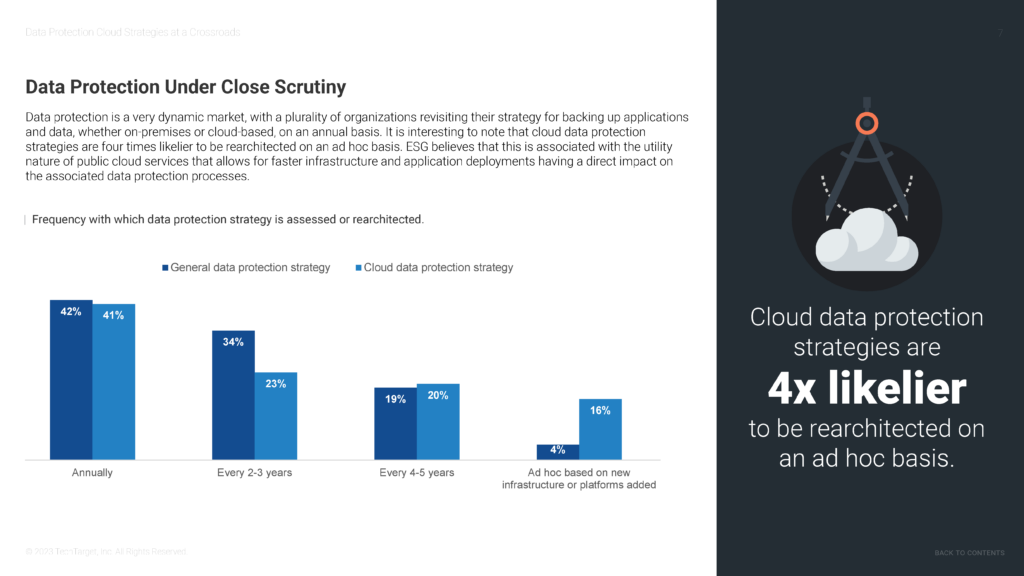
41% of survey respondents stated they reassess or rearchitect their cloud data protection strategy annually, and 16% said they do so on an ad hoc basis. Organizations were 4 times more likely to reassess or rearchitect cloud data protection strategies on an ad-hoc basis than on-premises. Not so surprising, when you consider the rapid scalability and constant innovation of the cloud.

Can you recover all of your data?

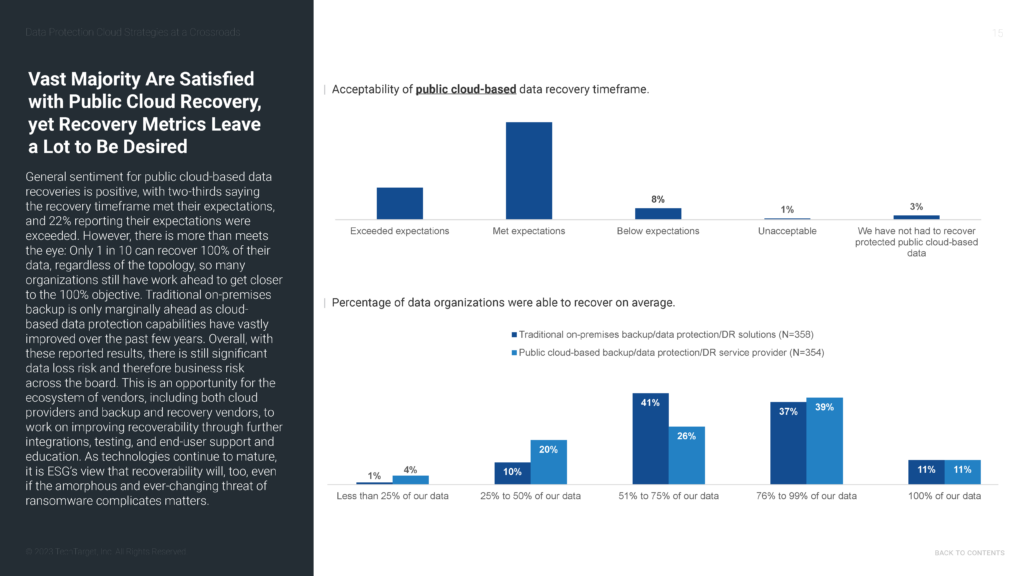
Here’s a surprising insight: Only 11% of respondents indicated that when recovering data, they had been able to recover 100% on average.

Source: Enterprise Strategy Group, a division of TechTarget, Inc. Research eBook, Data Protection Cloud Strategies at a Crossroads, May 2023

The takeaway: If you haven’t tested your data recovery lately, you should! Make sure you’re 100% ready to recover 100% of your data.


More related posts


Thumbnail_Blog-Recovery-Ready-2026

Recovery-Ready or Just Recoverable?

Read more about Recovery-Ready or Just Recoverable?
Thumbnail_Blog-Data-Leakage-Loops-2026

What is Recovery Time Objective (RTO) and How to Calculate It

Read more about What is Recovery Time Objective (RTO) and How to Calculate It
Thumbnail_Blog-Data-Access-Governance-2026

Protect Your Data from Ransomware: Learn How with Clumio

Read more about Protect Your Data from Ransomware: Learn How with Clumio

Last month, we closed out our International Women’s Day and Women’s History Month celebration with a Courageous Conversation about working parents, the struggles of fertility, and pregnancy loss. Today marks the start of National Infertility Awareness week here in the U.S., so I wanted to share more about our recent event and how we’re supporting the women of Commvault, as well as our working partners, as they navigate these challenges.

Our Courageous Conversations are global, virtual events that are a core component of our DE&I strategy. They allow us to connect, support, and inspire each other by having open discussions about topics that are close to our hearts.  As our Chief People Officer Martha Delehanty always says, “you need to have the conversation, to change the conversation.”

During the event, we heard from our Vaulters Lisa McGahran, Stephanie Joyce, and Elliot Hujarski as they discussed their personal journeys with fertility and pregnancy loss. We also had guest speaker Stacey Skrysak join us to share her own story and how she’s helping others by being a voice for premature birth, child loss, and infertility. This Courageous Conversation was so powerful and important for our Vaulter community – our speakers courageously opened their hearts to share their stories with us as we talked about how grief and hope can co-exist.


Infertility and pregnancy loss are, unfortunately, very real issues that many women in the workplace (as well as their partners) deal with today as they continue to navigate their careers. At Commvault, we continue to show our commitment and support for not only our working parents, but those aspiring to be parents as well.

The power of hope, positivity, and support is what guides us all each day. We’re proud to support the wellness of our Vaulters and give them the resources they need throughout their journeys.  

More related posts


Thumbnail_Blog-Recovery-Ready-2026

Recovery-Ready or Just Recoverable?

Read more about Recovery-Ready or Just Recoverable?
Thumbnail_Blog-Data-Leakage-Loops-2026

What is Recovery Time Objective (RTO) and How to Calculate It

Read more about What is Recovery Time Objective (RTO) and How to Calculate It
Thumbnail_Blog-Data-Access-Governance-2026

Protect Your Data from Ransomware: Learn How with Clumio

Read more about Protect Your Data from Ransomware: Learn How with Clumio

In today’s world, data is your most valuable asset, and organizations are constantly collecting, processing, and storing massive amounts of data. Kubernetes is a container orchestration tool that has become increasingly popular for managing and deploying applications in a scalable and innovative way. In a recent survey, we learned that more than 75% of organizations use containers. However, organizations adopting containers and Kubernetes must consider data protection and security concerns.

In this blog, we will explore the various challenges organizations face when protecting data in their Kubernetes environment. Additionally, we will dive into tools and techniques to ensure data protection for your entire Kubernetes environment.

Kubernetes is no longer something that is coming or on the roadmap – it’s here. In fact, among those organizations that have adopted containers, nearly all (94%) use Kubernetes, and most (86%) even find it critical to their operations. This doesn’t come as a surprise since we also learned that Kubernetes is helping drive effective cloud migration and flexibility, container orchestration, and workload mobility. Organizations also see improved scalability, availability, and DevOps processes when implementing Kubernetes.

Now that we know organizations truly embrace Kubernetes and will continue to use it more moving forward let’s look at what they primarily use it for. On average, over half of an organization’s data (59%) is orchestrated with Kubernetes, and nearly all organizations (94%) plan to utilize Kubernetes more in the next five years to protect their data. However, most organizations (89%) also expect to do more work to protect their data in Kubernetes in the next five years.

Assessing your Kubernetes protection needs

As with any change or disruption, organizations face issues with identifying vulnerabilities and fully understanding their systems and needs when using Kubernetes. When moving to cloud-native applications, customers must be aware that backups and data protection are not always guaranteed. Most cloud service providers follow the Shared Responsibility Model, where they are responsible for securing their service infrastructure, and customers are responsible for securing their data and applications within the cloud environment. About half of organizations currently face challenges with identifying vulnerabilities (52%), assessing backups (49%), scaling based on the scope of operations (49%), and understanding system complexity (48%).

The survey also revealed the top features for organizations when implementing Kubernetes.  Two-thirds of organizations (64%) believe ensuring data security is important in a full data protection system for Kubernetes. Additionally, flexible levels of recovery (56%) and ransomware protection (52%) are important features to more than half of organizations. Additionally, nearly all organizations (95%) find it important that they can back-up data in Kubernetes.

So what does this mean for the future of Kubernetes and ensuring you have a robust data protection strategy for your new stateful K8s applications? You need to recover from all challenges you face today and in the future, such as:

  • Operator error
  • Hardware and software failure
  • Targeted ransomware/malware attacks

Commvault and Kubernetes – protect K8s containers without getting boxed in

Commvault provides K8s-native protection for your stateful (and stateless) K8s applications in a convenient SaaS-based backup and recovery solution. Safeguarding K8s applications includes protecting all configuration data (pods, manifests, secrets, CRDs) and the persistent application data (persistent volumes, persistent volume claims). Protection of K8s configuration and data allows granular recovery of application configuration, persistent data, or the entire application to the original or a new cluster. Recovery to on-premises or cloud locations provides your business with application mobility and the agility to adopt the K8s distribution and operational model that works for your developers. Full data protection of your Kubernetes cluster means recovery of any/all applications can be ensured in a data loss event. And with Commvault, you won’t get boxed into using a single-purpose tool. Our K8s protection is part of Commvault’s strategy to secure, defend, and recover all data distributed across the hybrid cloud. Here’s how GigaOm describes this in its recent Kubernetes Data Protection Radar Report:

Commvault Backup & Recovery is a backup solution that supports more than Kubernetes workloads, making it suitable for hybrid applications that run across Kubernetes, VMs, and cloud services, consolidating backup operations on a single platform.”

–  GigaOm, January 26, 2023

Read about Commvault’s leadership in Kubernetes data protection https://www.commvault.com/analyst-reports#gigaom.

Source: Hanover Research, Kubernetes Attributes and Usage, February 2023

More related posts


Thumbnail_Blog-Recovery-Ready-2026

Recovery-Ready or Just Recoverable?

Read more about Recovery-Ready or Just Recoverable?
Thumbnail_Blog-Data-Leakage-Loops-2026

What is Recovery Time Objective (RTO) and How to Calculate It

Read more about What is Recovery Time Objective (RTO) and How to Calculate It
Thumbnail_Blog-Data-Access-Governance-2026

Protect Your Data from Ransomware: Learn How with Clumio

Read more about Protect Your Data from Ransomware: Learn How with Clumio

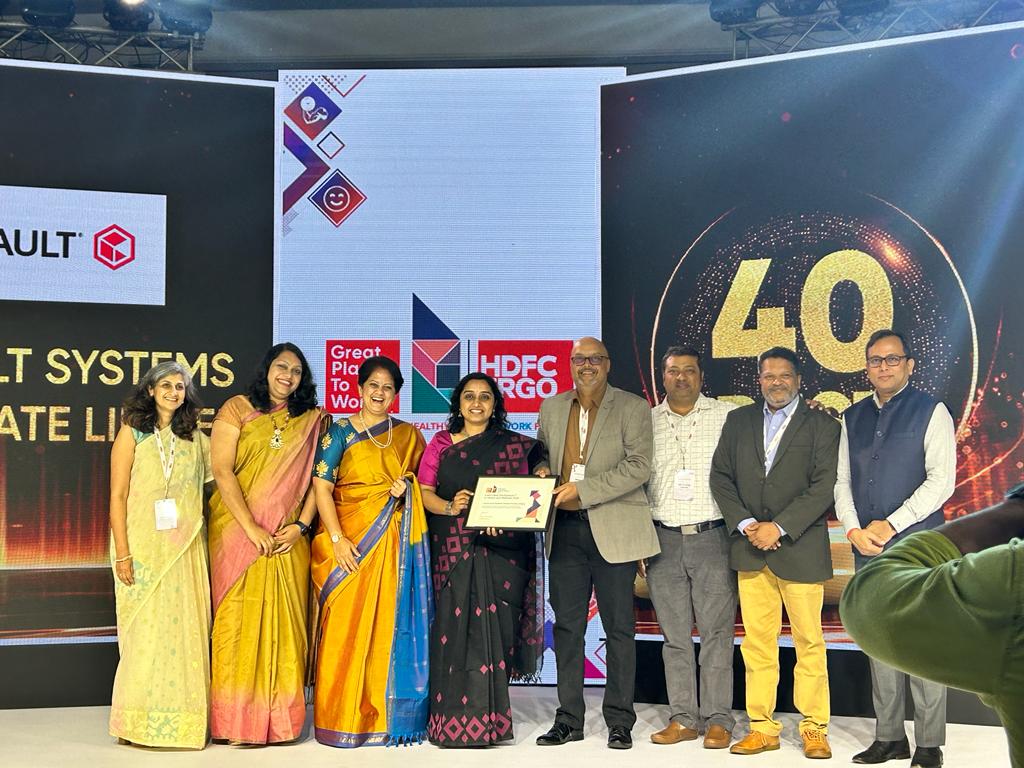
I’m excited to share that Commvault has been recognized by Great Place to Work® India for our culture of care and belonging.

We were listed as one of India’s Best Workplaces in Health & Wellness 2022, based on a comprehensive and rigorous assessment that identifies leaders in well-designed practices for workplace wellness.

We’ve also been Accredited for Inclusive Practices™, a Diversity, Equity & Inclusion initiative by Great Place to Work Institute India. This assessment identifies organizations that have internal and external practices to promote equal and equitable participation of historically excluded communities (women, other gender identities, LGBTIQA+, persons with disabilities, veterans, individuals returning from a career break, and other under-represented minorities in the country) in the workplace.


I’m so proud our organization has achieved this recognition. Here at Commvault, we continue to prioritize our culture of holistic wellbeing and DE&I as we support each other and show how we care.

When it comes to health and wellness, we believe the total wellness of each of our employees builds a better company and a better world. Having a healthy work-life balance is crucial and creating a culture of balance and flexibility is greatly important to us. And we know that in order to deliver for our customers and partners, we must deliver for ourselves first… which means caring for ourselves! We also continue to honor and celebrate our diverse Vaulter community and cultivate an environment of respect and belonging. Listening to the experiences and perspectives of others and learning how to better support one another empowers us to create a more equitable future together. 

Congratulations to our India team!

More related posts


Thumbnail_Blog-Recovery-Ready-2026

Recovery-Ready or Just Recoverable?

Read more about Recovery-Ready or Just Recoverable?
Thumbnail_Blog-Data-Leakage-Loops-2026

What is Recovery Time Objective (RTO) and How to Calculate It

Read more about What is Recovery Time Objective (RTO) and How to Calculate It
Thumbnail_Blog-Data-Access-Governance-2026

Protect Your Data from Ransomware: Learn How with Clumio

Read more about Protect Your Data from Ransomware: Learn How with Clumio

Transformative, channel-friendly, and cutting-edge are just a few of the adjectives the editors over at CRN used to describe the companies they’ve chosen as the cream of the crop – the 2023 CRN Storage 100 List – an honor that recognizes industry-leading storage vendors that deliver the best channel-friendly products and services the industry has to offer.  

According to the publication, the companies they chose for this year’s Storage 100 list have been selected by CRN editors for their “perseverance in pushing the boundaries of innovation through cutting-edge technology and strategic partnerships.” 

It’s definitely a difficult landscape to navigate, with too many vendors to count. Luckily, the Storage 100 list is a valuable resource for solution providers looking for vendors that can support them in a complex storage market with industry-leading portfolios in areas such as data protection, management and resilience; software-defined storage, and storage components.  

CRN emphasized that this year’s list also represents the industry leaders of storage technology that can be used for on-premises or cloud deployments. This is a critical point. Resiliency is key in a world where vendors and partners are trying to help customers keep their data safe, unharmed, and always-on across cloud, on-prem, and SaaS workloads…enter Commvault.  

Recognized in the Data Protection, Management, and Resilience category, we offer a simple and unified Data Protection Platform that spans the complete enterprise data estate, regardless of where that data lives. Whether it’s software-defined distributed storage such as containers, a storage appliance like Commvault Grid, or cloud storage in the form of Metallic Recovery Reserve™, Commvault helps customers accelerate their digital transformation journey with unmatched scalability, security, and resiliency.  

Blaine Raddon, CEO of The Channel Company shared his sentiments about this year’s program, stating, “CRN’s 2023 Storage 100 list recognizes the leading vendors that are delivering transformative advancements in storage technology and bringing modern solutions to customers and solution providers that are built for the future. We are honored to recognize their contributions as the leading players in storage technology for 2023.” 

Like CRN, we are also honored; honored to be celebrated for our industry-leading data protection, honored to be highlighted as a recommended choice for solution providers, and honored to continuously be innovating. 

The CRN Storage 100 list will be featured in the April 2023 issue of CRN Magazine and online at www.crn.com/storage100.  

More related posts


Thumbnail_Blog-Recovery-Ready-2026

Recovery-Ready or Just Recoverable?

Read more about Recovery-Ready or Just Recoverable?
Thumbnail_Blog-Data-Leakage-Loops-2026

What is Recovery Time Objective (RTO) and How to Calculate It

Read more about What is Recovery Time Objective (RTO) and How to Calculate It
Thumbnail_Blog-Data-Access-Governance-2026

Protect Your Data from Ransomware: Learn How with Clumio

Read more about Protect Your Data from Ransomware: Learn How with Clumio

Spring is a time of renewal and rejuvenation – when we can finally shed the weight of winter and start anew. As flowers bloom and trees bud, it’s the perfect time to reassess and enhance your data protection and recovery plans.

Like planting a garden, taking stock of what you have and what you need is important. Just as you wouldn’t plant a flower in unsuitable soil or without sufficient water, you wouldn’t secure your data with the wrong tools or without a plan. As the saying goes, “fail to plan, plan to fail.” This is especially true when it comes to safeguarding your organization’s data.

The ramifications of a data breach or loss can be catastrophic, ranging from lost revenue and productivity to reputational damage and legal consequences. Minimizing the impact of such events requires a comprehensive readiness plan to prepare for and respond to potential outages.

Being recovery ready means having the confidence and ability to quickly recover any data across your environment.

Routine maintenance is key

One of the most important aspects of a successful garden is tending to it regularly. The same is true of data protection. You can’t simply set it and forget it. Regularly reviewing and updating your plans will ensure they remain effective and continue to meet your business needs. And with the growing frequency and sophistication of ransomware attacks, conducting regular assessments of your infrastructure and readiness plan has never been more crucial.

Fortunately, having a comprehensive data protection solution supported by expert resources can be a game-changer to help reduce the risk of ransomware and ensure a rapid recovery from an attack. You have the most robust data protection capabilities and access to expert support at every step during your data protection journey with Commvault® Professional Services.

Additionally, having a data protection solution that offers a robust set of continuously updated and expanded features is vital in your review efforts. Implementing a regular maintenance schedule to manage your data protection environment allows you to incorporate and update valuable capabilities. Visit our What’s New Page for Platform Releases to explore our latest features and enhancements.

Be ready for anything

Maintain a state of readiness so you can respond to any data-compromising event. Whether your organization needs more support in designing your ransomware recovery readiness plan, maintaining it, or recovering from an attack, with Commvault Readiness Solutions, you choose the service level that best aligns with your business requirements. Service offerings include:

Ready helps you align Commvault’s technical capabilities with your recovery objectives.

Steady assists you in monitoring and maintaining a state of recovery readiness.

Respond helps accelerate your return to normal business operations in the event of an outage or disaster.

Harvest data protection success

Just as a well-tended garden can bring happiness, a robust data protection and recovery plan can provide peace of mind. So, take advantage of the spring season to plant the seeds of a strong data protection and recovery plan and watch as it grows and flourishes in the months ahead.

Chat with a representative to learn how Commvault can help prepare your ransomware response plan.

More related posts


Thumbnail_Blog-Recovery-Ready-2026

Recovery-Ready or Just Recoverable?

Read more about Recovery-Ready or Just Recoverable?
Thumbnail_Blog-Data-Leakage-Loops-2026

What is Recovery Time Objective (RTO) and How to Calculate It

Read more about What is Recovery Time Objective (RTO) and How to Calculate It
Thumbnail_Blog-Data-Access-Governance-2026

Protect Your Data from Ransomware: Learn How with Clumio

Read more about Protect Your Data from Ransomware: Learn How with Clumio

We know that data protection can be a serious matter, but we’re here to put a fun spin on it for World Backup Day! Are you ready to evaluate how you secure your sensitive information and ask the tough questions about the products you’re using?

At Commvault, we understand the importance of data protection, and we’re here to provide you with the answers you deserve. Join us on a journey as we tackle six of the most frequently asked data protection questions, and we’ll show you how to keep your business secure.

https://play.vidyard.com/AMTPw7ny3Ahn5Ju3rCTFEr

Data breaches and privacy violations can be a real headache for businesses. Not only can they lead to legal and financial repercussions, but they can also harm your reputation and customer trust. That’s why it’s crucial to be informed and vigilant when it comes to your data protection strategies.

It’s time to separate fact from fiction when it comes to data protection. Don’t fall for those fancy marketing claims without doing your research first. Are these companies innovating at the same pace as your data growth? Are they helping you make the most out of your IT budget? Are they selling you a product when what you really need is a platform? These are the questions you need to ask!

Partner with a trusted data protection provider, like Commvault, to ensure that your sensitive information is always safe and sound. Contact us today to learn more about our data protection solutions, and let us help you protect your business and your clients’ information.

Remember, data protection doesn’t have to be boring. With the right attitude and a little bit of fun, you can stay informed and secure while making sure your business thrives!

Follow Commvault on Social Media for more insights on #WorldBackupDay!

More related posts


Thumbnail_Blog-Recovery-Ready-2026

Recovery-Ready or Just Recoverable?

Read more about Recovery-Ready or Just Recoverable?
Thumbnail_Blog-Data-Leakage-Loops-2026

What is Recovery Time Objective (RTO) and How to Calculate It

Read more about What is Recovery Time Objective (RTO) and How to Calculate It
Thumbnail_Blog-Data-Access-Governance-2026

Protect Your Data from Ransomware: Learn How with Clumio

Read more about Protect Your Data from Ransomware: Learn How with Clumio

As Women’s History Month comes to an end, we’re continuing to celebrate women at Commvault all year round! As a working mom and proud co-leader of our Family Support Network Employee Affinity Group (EAG), I wanted to share my experience in hopes to empower working moms (and dads!) everywhere.

I began my career in Human Resources (HR) over 25 years ago, and have been at Commvault for the past 11 years. I was always a people-centric person, and being in HR allowed me to celebrate the human side of the business and focus on the people, a company’s most important asset. Building strong connections and empowering people to thrive and grow is what has inspired me throughout my career.

Having empathy has always been an integral part of my role as an HR leader, but my level of empathy completely evolved once I became a mom. I am blessed to have two beautiful sons in my life – Jake, 8, and Ryan, 6 – but my journey wasn’t without challenges. In 2016, I found out I was pregnant with identical twin boys. After my initial shock that I was going to be 42 years old with three children under the age of two – I was overjoyed! After some complications 24 weeks into my pregnancy, I ended up delivering Ryan and Max prematurely. The next day, Max passed peacefully in my husband’s arms. I was completely numb after this tragedy, yet still had a critical newborn baby in the hospital and a 19-month-old at home whom I had to stay positive (and thankful) for. 129 days and three surgeries later, Ryan was released from the hospital, a day after his original due date. He’s a happy and healthy boy today.

As a mom, you change after you have kids. And after losing a child, I changed even more. It made me realize that you never know someone’s full story – which is why always leading with empathy and care is crucial to building relationships and creating a positive, supportive work environment. That’s why I’m so passionate about not only what I do in HR, but also my involvement with our Family Support Network EAG. This is a support group for working parents and caretakers in all facets of family life – from being a new parent to dealing with toddlers, tweens, teens, and aging parents.  

In the spirit of celebrating working moms (and all working parents!) I wanted to share some tips and tricks I’ve learned from my fellow Vaulters that have helped me become a better working parent:

  • Learn how to unplug from work. Disconnecting is harder said than done, however, we all have to unplug at some point or else we’ll burn out. Remember – taking time to reset is crucial in helping us come back to work the next day refreshed and recharged. I turn off my phone at night after a certain time to help disconnect from work.
  • Talk to your kids about your job. Working and living at home is the reality for many of us in this new hybrid work world. Young children often don’t understand why mom is home but can’t spend time with them during certain hours. Explaining what your job is to your kids can help them better understand you and the concept of this new way of remote working.
  • Embrace planning. Whenever I have a busy week coming up, I create a schedule and plan ahead to make things less stressful. A big thing for me – planning dinners. This allows me to avoid wasting time figuring out what we’re going to eat after a hectic day and gives me more quality time with my kids.
  • Remember that feeling guilty is normal. Finding a balance between being a parent and working is always going to be a challenge. We’ll likely always have moments when work gets in the way and we feel guilty about having to miss time with our kids. Or on the flip side, we may feel guilty stepping away from work to do something with our kids. Find a routine that works best for you and remember to not be so hard on yourself!

Trial and error is the key to success in many aspects of our lives, especially with parenting. I can tell you firsthand that life throws many obstacles at us, and at the end of the day, it’s important to realize that we are all human. Celebrating and supporting each other as parents and caretakers is what helps us stay grounded and inspired, so let’s continue to embrace the power of empathy! When we open our minds and hearts to better understand each other, it not only makes us better professionally but personally too. I’m so thankful to my global Vaulter community and our Family Support Network for allowing me to share my story and learn from others every day.

To learn more about Commvault’s culture of caring, click here.

More related posts


Thumbnail_Blog-Recovery-Ready-2026

Recovery-Ready or Just Recoverable?

Read more about Recovery-Ready or Just Recoverable?
Thumbnail_Blog-Data-Leakage-Loops-2026

What is Recovery Time Objective (RTO) and How to Calculate It

Read more about What is Recovery Time Objective (RTO) and How to Calculate It
Thumbnail_Blog-Data-Access-Governance-2026

Protect Your Data from Ransomware: Learn How with Clumio

Read more about Protect Your Data from Ransomware: Learn How with Clumio

Data protection is a team sport. We pride ourselves on our alliance and technology partner community, and there is no question that partnering to provide more deeply integrated and effective solutions adds value for our customers.

But one thing we don’t do (unlike some we could name….) and that is to partner to fill and hide gaps and then position it as a benefit to customers.

There’s no integration, no added value, just PR and additional complexity… And it’s the customer who suffers.

What does that mean for the customer?

Let’s be honest, most vendors in the backup market are good at a limited or select set of things:  Good at VM backup, good at big backup appliances, good at protecting Salesforce, good at protecting M365, or Oracle or Kubernetes, but rarely are they good at LOTS of things…which leaves them with gaps in their solution capabilities, a few bricks shy of a load, lacking cohesion, or just plain green with envy – take your pick on the saying that applies.

This problem really rears itself when customers find themselves and their business has evolved to need new data protection capabilities such as protection of Azure Active Directory, Oracle Cloud, or more proactive data security. 

Not every vendor has the vision to anticipate these innovations and changing business needs and incorporate them into their solutions, meaning they’ll be left trying to catch up or be left behind.  This forces, the vendor to look in the mirror at their own technology stack (or tech debt) and realize the change is too big or will take too long for them to deliver it on their own, and in that case they have to either give up on addressing that need or go in search of someone they can buy or partner with to bolt-on that functionality.  

Despite the marketecture, at the end of the day you are left with two or more completely different solutions, with little to no integrations between them, supported by multiple account teams, and ultimately get more of what you don’t want in your environment:  Cost, complexity, friction, and risk. 

Now you’re faced with more questions:

  • Who do you even call if something breaks?
  • How can you consolidate or automate when you keep adding more pieces into the puzzle?
Really, it makes Mando angry!

So what is “THE WAY”?

We can agree that more products = more cost = more complexity = more risk, right?

Well, fixing that is something pretty obvious – and much simpler:  Tackle data protection with a single unified solution.  Multicloud, on-prem, SaaS, hybrid — One solution to rule your data! 

[Commvault enters the chat]

Rather than rely on others to do the work for us, we’ve built the Commvault platform from the ground up, which has allowed us to easily grow the solution to meet new challenges and demands such as data governance, transformation, and multi/hybrid cloud evolutions in customer environments.   

We’ve been listening to our customers and anticipating their needs for a long time. 

Just to name off a few examples:

When our customers needed deduplication to reduce their storage costs, we built
it right into the software. In fact, we were the first to deliver embedded software
deduplication without the need for expensive proprietary appliances.
Anticipating the future potential for containers, we built in protection
for containerized workloads as far back as 2017.
Understanding the shift to SaaS, we built Metallic – the first (and still only) fully
managed SaaS backup service for muilticloud, SaaS, endpoint, and hybrid
data protection. Operating as a unified platform, Metallic and Commvault provide
flexibility and value for customers to choose the best fit for their environment
and expand as their needs grow.
Recognizing the need for increased data security against growing threats, we built
ransomware detection into the platform.
A few years later we launched Metallic Recovery Reserve, which was the first dedicated
cloud air-gap solution in the data protection market.  Every one of our competitors
followed suit over the following 24 months.

Owning the Code

OWNING the code also makes it easy for us to pivot and expand the services of the platform to encompass new workloads such as cloud, DBaaS, SaaS and allows us to leverage the latest infrastructure innovations like object storage, containers, and cloud compute/storage technologies (e.g.: AWS Graviton) to efficiently deliver those services how you need to consume them.   

This unified approach also enables a higher degree of automation across the environment and provides greater observability to potential risks and threats to the data.  Automate. Secure. Respond.  These all get easier when you can consolidate and reduce the friction by reducing the tools and touch points needed to manage your diversifying data landscape.

So, if your environment was all virtual and physical systems yesterday – Commvault has you covered.  And you added cloud and M365 into it today – Commvault has you covered.  And then when you need to add containers, new cloud-native apps, and more in tomorrow, guess what?  Commvault still has you covered.  No need to reinvent the wheel or bolt on more point products to cover the changes in YOUR data needs – you can trust Commvault to provide that consistent data protection across whatever your data is and wherever it lives.

In Conclusion

QUESTION IT – When you’re digging into HOW a vendor or vendor(s) are actually going to deliver their solution and meet your business needs, to see if it’s all just more talk or if it can really do everything it says it can. 

Ask yourself: Should you really be using a data protection provider that can’t protect your SaaS data?”

More related posts


Thumbnail_Blog-Recovery-Ready-2026

Recovery-Ready or Just Recoverable?

Read more about Recovery-Ready or Just Recoverable?
Thumbnail_Blog-Data-Leakage-Loops-2026

What is Recovery Time Objective (RTO) and How to Calculate It

Read more about What is Recovery Time Objective (RTO) and How to Calculate It
Thumbnail_Blog-Data-Access-Governance-2026

Protect Your Data from Ransomware: Learn How with Clumio

Read more about Protect Your Data from Ransomware: Learn How with Clumio

March is a month for us to celebrate women, as we honor both Women’s History Month and International Women’s Day.

As a Vaulter and member of our Women in Technology Employee Resource Group (ERG), I recently had the great honor and privilege to lead a group of students at San Diego City College for the City Women Rock Conference to celebrate International Women’s Day on March 8th. The conference is designed to ignite, inspire, empower, and uplift students – many of whom face significant adversity, such as overcoming challenges of poverty, domestic and gang-related violence, and personal hardships. During the conference, our local community came together to share stories of triumph, reflecting on the many achievements of women throughout history and providing a blueprint for not only achieving goals, but lifting up others along the way. City Women Rock focuses on the following key strategies to empower women to achieve their goals:

  • Gratitude practice
  • Journaling
  • Prioritizing self-care
  • Voicing your dreams
  • Goal setting
  • Positive affirmations 
  • Asking for help 
  • Transforming fear into fuel 
  • Overcoming self-limiting beliefs 

These strategies truly resonate with me, and I was honored to speak at the conference to share more on this and my personal story of overcoming an eating disorder, addiction, and low self-esteem in my early adolescence years. These challenges ultimately led me to a 15-year path of healing, transformation, and growth. I can proudly say that I came out on the other side with unshakeable self-love and inner confidence. Implementing positive changes has resulted in becoming the woman, mother, daughter, sister, friend, and leader that I always wanted to be.

I’m so thankful for my local community and the opportunities that organizations like City Women Rock provide to women to allow us to be our best selves. I’m also grateful for my Vaulter community and our Women in Technology ERG. This ERG brings together both women and allies to elevate and advance gender equality in technology and celebrate the inspiring women of Commvault who are driving our innovation and growth every day.

We all have personal stories to share of strength, stability and overcoming adversity. As we continue to celebrate women throughout March, let’s remember the importance of empowering ourselves and others to uplift, inspire and encourage each other to achieve GREATNESS.

To learn more about Commvault’s culture and ERGs, click here.

More related posts


Thumbnail_Blog-Recovery-Ready-2026

Recovery-Ready or Just Recoverable?

Read more about Recovery-Ready or Just Recoverable?
Thumbnail_Blog-Data-Leakage-Loops-2026

What is Recovery Time Objective (RTO) and How to Calculate It

Read more about What is Recovery Time Objective (RTO) and How to Calculate It
Thumbnail_Blog-Data-Access-Governance-2026

Protect Your Data from Ransomware: Learn How with Clumio

Read more about Protect Your Data from Ransomware: Learn How with Clumio