AI recovery for AI vulnerability.
Use AI to continuously restore your entire AI-enabled business.
IDC self-assessment
Are you ready for AI recovery?
Benchmark your resilience maturity using insights from enterprise AI adopters—and see which gaps put recovery at risk.

Recovery for everything AI runs on

How we do it
AI in every step. AI in every location. AI readiness now.
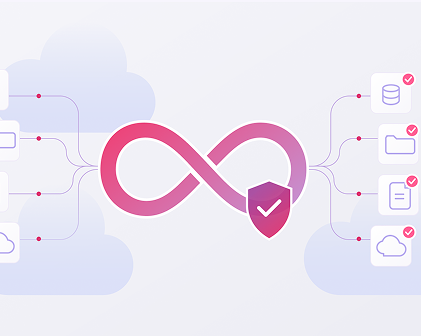
Continuous Protection
Automate discovery, tagging, policy enforcement and recovery testing for your most critical data.
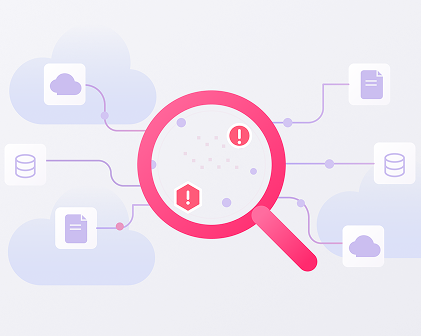
Always-On Threat Hunting
Leverage AI to continuously hunt for compromises in your data—from access anomalies to known signatures.
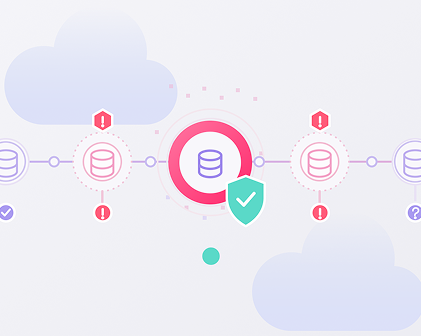
Trusted Cleanpoints
Automate finding a clean recovery points, provisioning isolated cleanrooms and verifying clean recoveries.
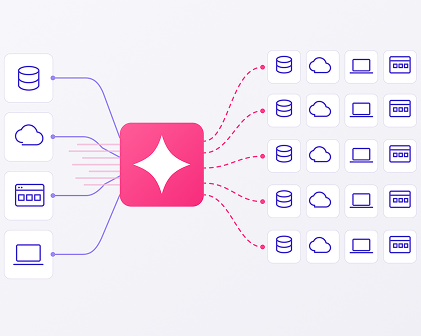
Machine Speed, Massive Scale
Orchestrates policy-based recovery workflows that guide teams through clean recovery after a cyber event.

Frequently Asked Questions
Why do I need dedicated backup and recovery solutions in an age of cloud-native tools?
All aspects of today’s business-critical, AI-enhanced technologies are hybrid rather than monoculture. And they show all signs of becoming increasingly so: cloud native builders use multiple cloud platforms; on-prem architectures work alongside SaaS and IaaS models; multiple MCP servers work towards one outcome. Cloud-native tools can help in these areas, but when regulatory standards and business consolidation comes to the fore, a dedicated backup and recovery system can help enable consistent policies, consistent protections, and faster recovery at lower overall cost.
How can I protect my data from ransomware, corruption, or accidental deletion?
There are several actions that, taken together, can reduce these risks to critical data
- Follow the 3-2-1-1 rule: maintain 3 copies of data, using 2different media types, with 1 copy stored off–site and 1 copy stored in an immutable and air-gapped environment.
- Have a documented, tested recovery plan, using a practice like ResOps or NIST’s Cyber Resilience Framework.
- Monitor your backups for threats and anomalies using the same rigor you apply to production environments.
- Enable versioning of all backups, using multiple snapshots and point-in-time references, and never assume the latest version is the best.
How is disaster recovery different from cyber recovery?
The big difference is “recovering data” vs “recovering trust.”
Disaster recovery is critical to enable systems and organizations to not lose important data after physical or operational failures. It makes no assumptions about trust and relies on recency to recover what’s lost.
Cyber recovery restores systems after cyberattacks, data corruption, insider sabotage, or adversary action. Its success relies on cleanliness, integrity, and the restoration of trust to critical systems. This is necessary in today’s world where cyber events not only outnumber physical or operational failure events, but also come with increasing frequency and potency.
Why is it important to consider implementing “immutability” capabilities for backup data?
AI-augmented or created data can change fast, and having certainty about its integrity is one of the keys to achieving recovery and resilience. These backups are immutable and indelible: this helps prevent data drift, version integrity issues, and lost context problems that can alter the output of an entire response chain. Immutable records also help alignment with new regulatory requirements and can defend against legal challenges.