Cyber Resilience Is The New Enterprise Mandate
Commvault’s cyber resilience platform helps enterprises restore trusted data, applications, and systems after ransomware or destructive malware attacks. Commvault Cloud focuses on three recovery essentials — identifying clean recovery points, recovery testing, and rapidly restoring operations with validated-clean data — so teams can recover with confidence rather than hope.
-

100,000+ customers worldwide
-

15x Leader in Gartner Magic Quadrant
-

SOC 2, ISO, FedRAMP Certified
99%
Faster recovery
94%
Faster rebuilds
30x
Increase in testing frequency
How do you achieve cyber resilience?
Recover trusted data, clouds, and apps with confidence
Cyberattacks compromise data and destroy recovery tools, halting business. CISOs lose trust in data and infrastructure when it matters most.

Backups are in scope
94% of surveyed enterprises said ransomware attempted to compromise their backup systems—turning recovery into another attack surface.
(Sophos Study: The impact of compromised backups on ransomware outcomes, March 2024)

Clean, complete recovery isn’t always tested
Following a real ransomware attack, nearly 4 in 10 organizations were unable to fully recover their data.
(CrowdStrike State of Ransomware Survey 2025, pg 4)

Runbooks are manual, untested
Recovery is still tribal knowledge—rarely tested end-to-end. Identity systems and critical comms apps become the bottleneck, driving downtime and chaos.
From impact to clean recovery
Make cyber recovery predictable
Commvault Cloud helps restore trust with protected data, clean recovery validation, and automated workflows—so teams can recover critical systems first.

Keep protected copies protected
Use Commvault AirGap for an off-site, air-gapped, immutable, indelible copy—separate from production—to support cyber recovery when backups get targeted.

Validate clean recovery points
Commvault Cleanroom plus Threat Scan helps scan and quarantine risk. Cleanpoint Identification and Synthetic Recovery assemble a composite clean recovery point.

Automate and practice runbooks
Use on-demand isolated recovery environments to test recovery plans. Runbooks, automations, and Identity Protection help restore identity and critical apps with control.
Operate clean recovery
Tools SecOps uses to recover
Hunt threats in protected data
Scan protected data and VMs, quarantine affected items, and hunt with threat intel, YARA rules, and file hashes before cyber recovery.
Explore key capabilities
Stage recovery in Cleanroom
Spin up an on-demand, cloud-based isolated environment for testing, staging, and forensics—with automated creation, runbooks, and pre-built configurations.
Explore key capabilities
Identify Cleanpoints, help reduce rollback
Use Cleanpoint Identification and AI-assisted Synthetic Recovery to build a curated composite recovery point from the most recent clean file versions.
Explore key capabilities
Orchestrate action from security signals
Ingest threat signals from your security stack and coordinate recovery actions through SOAR integrations, helping teams run response workflows with control.
Explore key capabilities
Recover identity and reverse changes
Restore identity with granular and full forest recovery, audit privilege escalation, and roll back unauthorized changes—so access can be re-established early.
Explore key capabilities
Unify protection across enterprise workloads
Protect VMs, databases, file and object stores, cloud environments, SaaS apps, and identity providers—then test cyber recovery plans from one platform.
Explore key capabilities
Why Commvault Cloud
Built for complete cyber recovery
Commvault Cloud supports clean recovery across on prem, cloud, and SaaS—so teams can test, validate, and recover with confidence.
-
Protect data wherever it lives
Air-gapped, immutable, indelible backups across on-prem, cloud, and SaaS help reduce gaps when environments are fragmented. -
Isolated testing by design
Use isolated recovery environments to practice cyber recovery plans, run controlled tests, and stage recovery before returning to production. -
Clean recovery intelligence at scale
Rapidly identify clean data and construct a composite recovery point using Cleanpoint-validated file versions across backups—helping reduce rollback.
Success Stories for Team Who Use Commvault

The Challenge
A ransomware attack encrypted everything connected to Active Directory, shutting down file access across offices and the factory floor — with no recovery plan in place.
The Solution
Commvault Cloud Backup & Recovery enabled rapid data restoration across virtual and cloud environments. Air Gap Protect was added post-attack to create immutable, off-site copies.
Full operations restored across offices and factory
Of data volume protected by Commvault
The Challenge
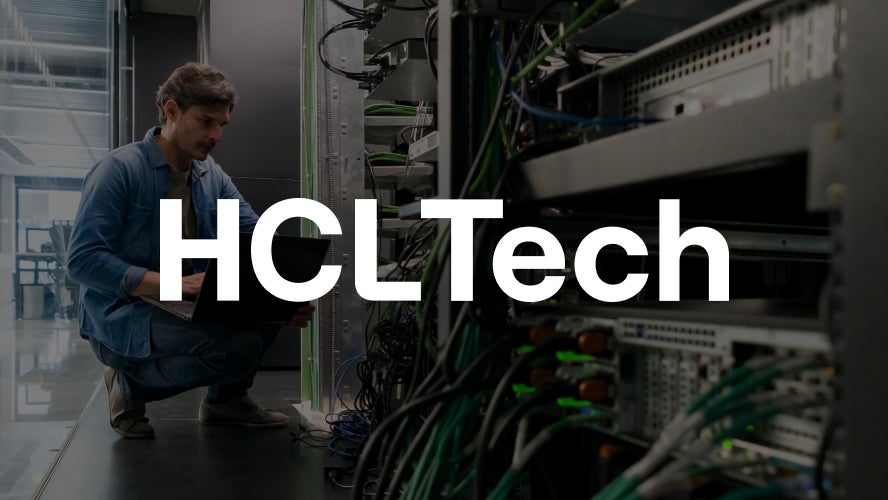
A ransomware attack encrypted 800TB of data and took down 700 VMs across multiple locations. The company needed 100% data recovery within strict SLAs — with no tolerance for data loss.
The Solution
HCLTech deployed Commvault Cloud Autonomous Recovery to replace fragmented tools, delivering unified protection across on-premises and Microsoft Azure with a zero trust foundation.
Encrypted data volume fully recovered
Data restore percentage with zero data loss after the attack

The Challenge
Sony needed a single cyber resilience platform across cloud, on-premises, and SaaS — one that could meet stringent threat detection, multi-site SLAs, and international compliance demands like GDPR.
The Solution
Commvault Cloud unified protection across 5,000 endpoints spanning multiple data centers, AWS, and Azure — delivering faster threat recognition, reduced downtime, and consolidated costs.
Reduction in total cost of ownership
Endpoints protected across global data centers and cloud
Commvault Cloud can be deployed how you need
Choose the deployment model that fits your infrastructure and operational needs

SaaS deployment
Fully managed Commvault Cloud service, with additional options for customers with shared tenancy or data residency.

On-premises
Commvault Grid, Flex, and Edge options for on-prem options, as well as reference architecture to deploy on your own hardware.

Hybrid
Mix on-prem and SaaS deployment options to match your organization’s requirements.
Frequently Asked Questions
What does Cyber Resilience cover?
Commvault Cloud supports cyber recovery across enterprise workloads and environments—VMs, databases, file and object stores, cloud data environments, SaaS apps, and identity providers—so recovery planning isn’t split across tools. Cyber resilience also includes the ability to help scan your protected data, identify anomalies, compromises, or infected data, and isolate it so you don’t reinfect your clean environment on recovery.
How do you prove clean recovery?
Commvault Threat Scan helps identify clean data across backups using Cleanpoint Identification. Threat Scan uses signature-based detection, AI-enabled encryption detection, and the ability to hunt for specific threats using YARA rules and custom file hashes. For compromised data, Synthetic Recovery assembles a curated, composite, clean recovery point from the most recent clean file versions.
How do Cleanrooms help SecOps?
Commvault Cleanroom provides an on-demand, isolated recovery environment for testing, cyber forensics, and recovery staging so that SecOps teams can work on both analysis of a cyberattack and staging data and systems for recovery once an attack has been cleaned up. Commvault Cleanroom runbooks, automations, and pre-built configurations help validate recovered workloads before returning to production.
How does this prevent reinfection?
Commvault Threat Scan scans protected data and VMs and can automatically quarantine affected or anomalous items. Files that have been quarantined are prevented from being restored during a recovery so that you don’t reinfect your newly-rebuilt or clean environment. It supports threat hunting using threat intelligence feeds, plus custom YARA rules and specific file hashes.
What about identity during recovery?
Identity Resilience supports granular recovery and—for Active Directory–full forest recovery of your identity systems, plus auditing to identify attacker changes or privilege escalation to help teams reverse changes during cyber recovery. Following cyberattacks, restoring identity providers and identity systems is often the first order of business so that all other systems have authentication in place.
What integrations are supported?
Commvault integrates with SOAR platforms—Microsoft Sentinel, Palo Alto Networks XSOAR, and Falcon Fusion—to help automate incident response processes and orchestrate recovery actions after cyber-attacks. Commvault can give and take signals to enable investigations and help improve the effectiveness of cyber recoveries.
Explore related resources
2025 IDC MarketScape: Worldwide Cyber-Recovery

Gartner® Magic Quadrant™ for Backup and Data Protection Platforms

What Is Cyber Resilience?
Cyber readiness starts here
Prove clean recovery – before it counts
Restore minimum viability fast with Cleanpoint validation and an isolated recovery environment built to help reduce reinfection risk.